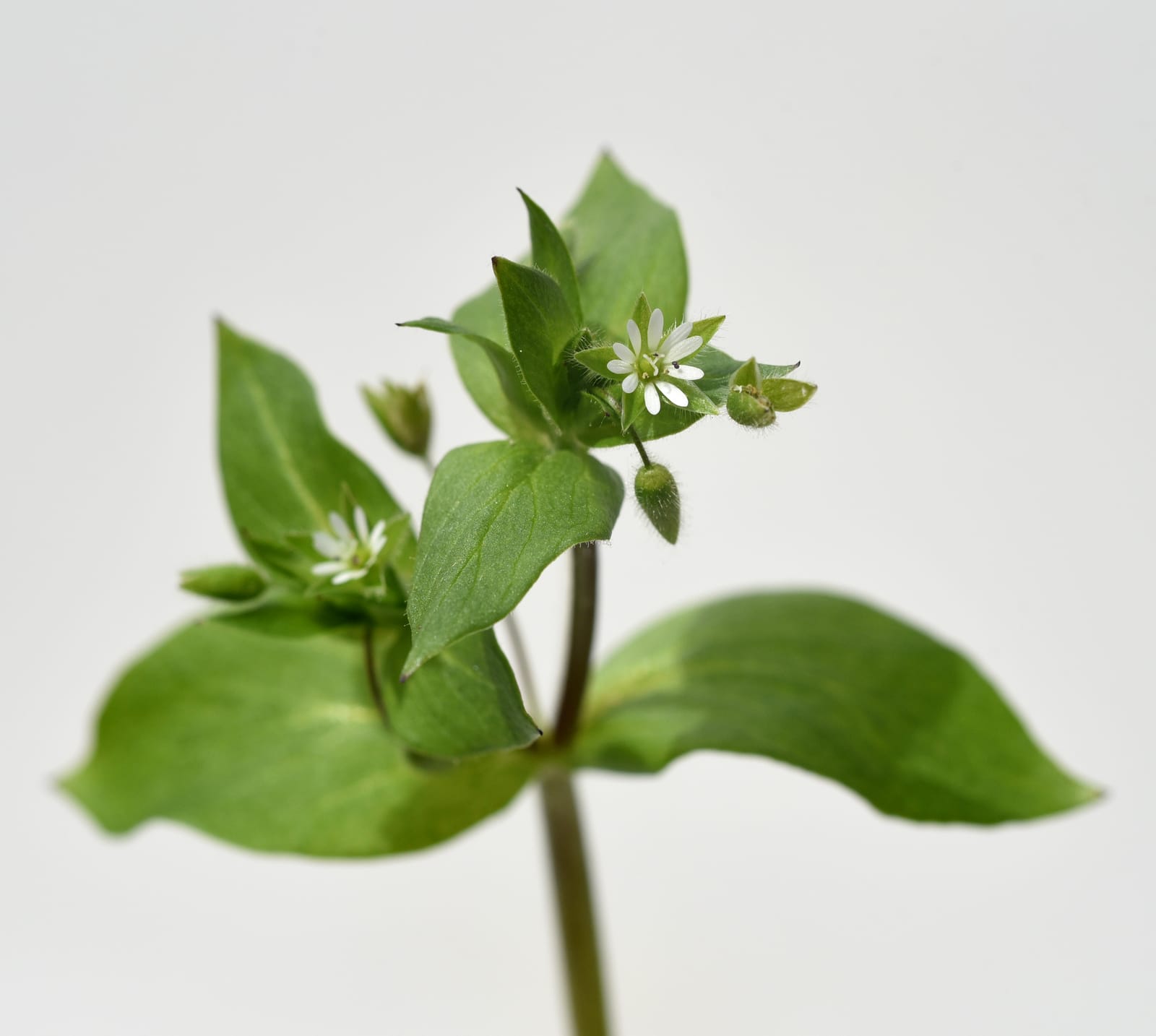
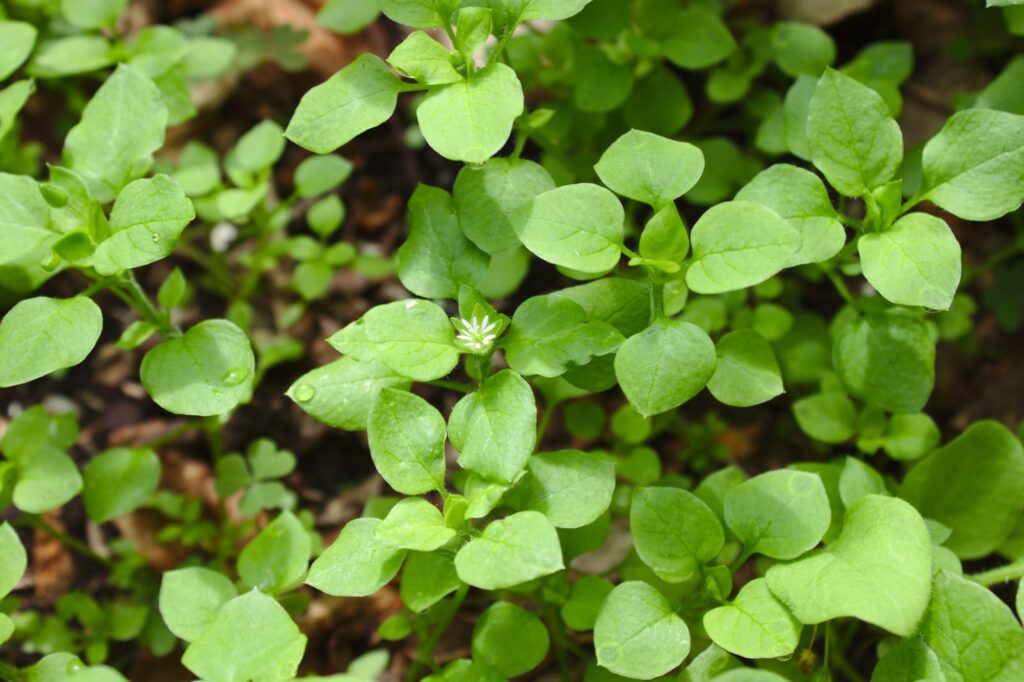
Chickweed, a delicious green, many will find this one growing in cracks around their house or areas where there is more moisture available. Their tiny bud growths are a sign that spring is upon us. I breath a sigh of relief knowing that the warmer days are ahead.
When I do spot a nice patch of chickweed, I’m excited :-). But I do try and follow the rule of preserving the first patch and foraging from the next, to respect nature and my fellow human beings. On a walk, or a hike though, my mouth does water when I spot it. Usually because of thirst or hunger. So it could very well be due to a hunger pain that when I start to gather it, I put a small bit of chickweed and start to chew. These moments I have done this very act, oh my god, the taste is like a sweet clean, if that’s a flavor. Fresh and hydrating are other words that come to mind when I snack on some chickweed during a hike.
****CAUTION AHEAD****
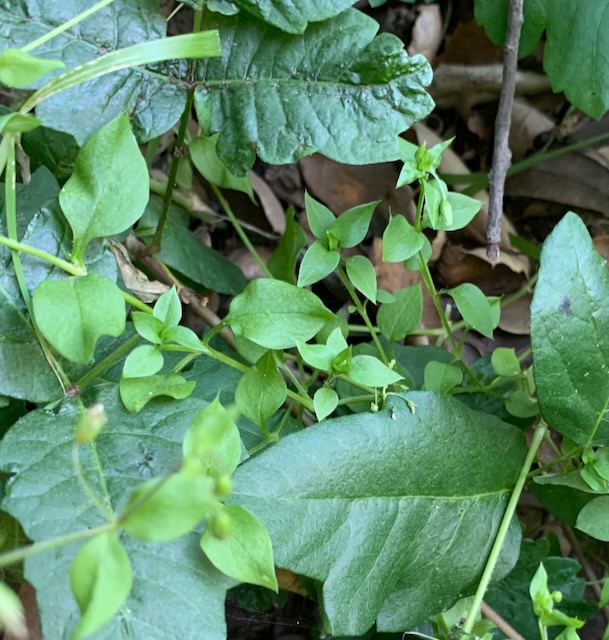
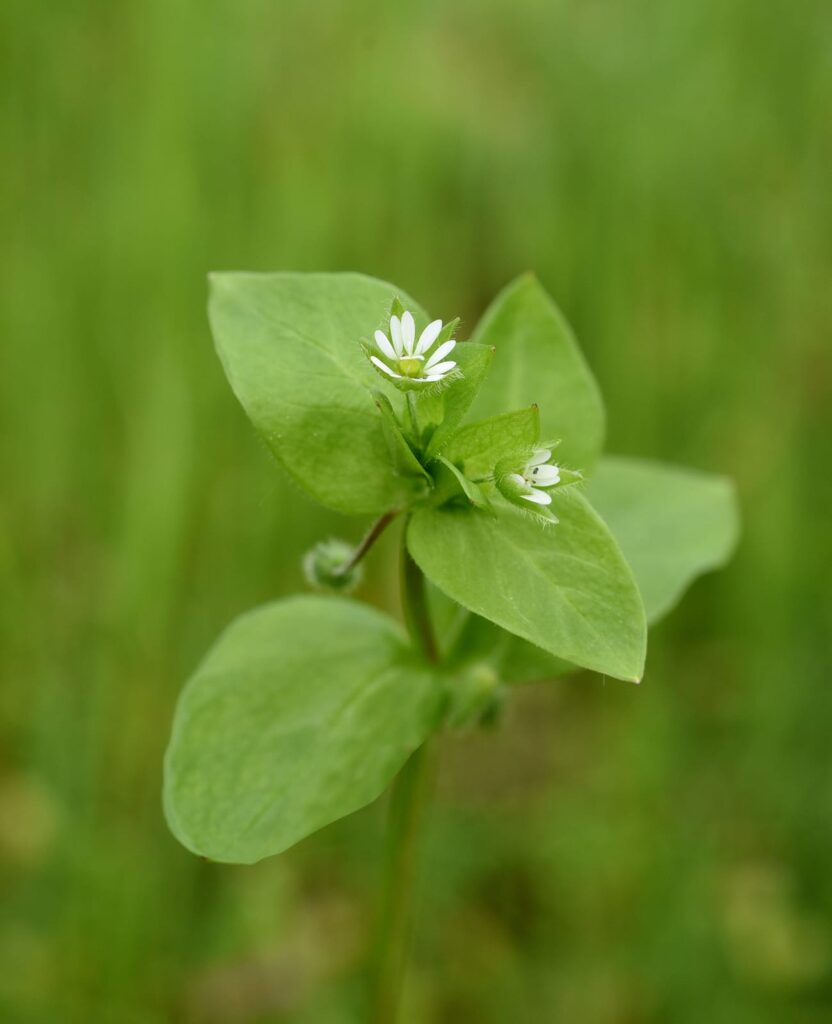
I will caution though against its twin, who I’ve encountered many times. It’s evil twin has tiny yellow flowers. Chickweed has the most tiniest white flowers when it buds. One of my European friends taught me that plants will often have a look alike which is poisonous, which helps protect the non-poisonous plant, the same goes for mushrooms. We were on a hike and she pointed several examples out. The more I thought about it, the more I realized that it was quite true.
History, Uses, and Medicinal Benefits
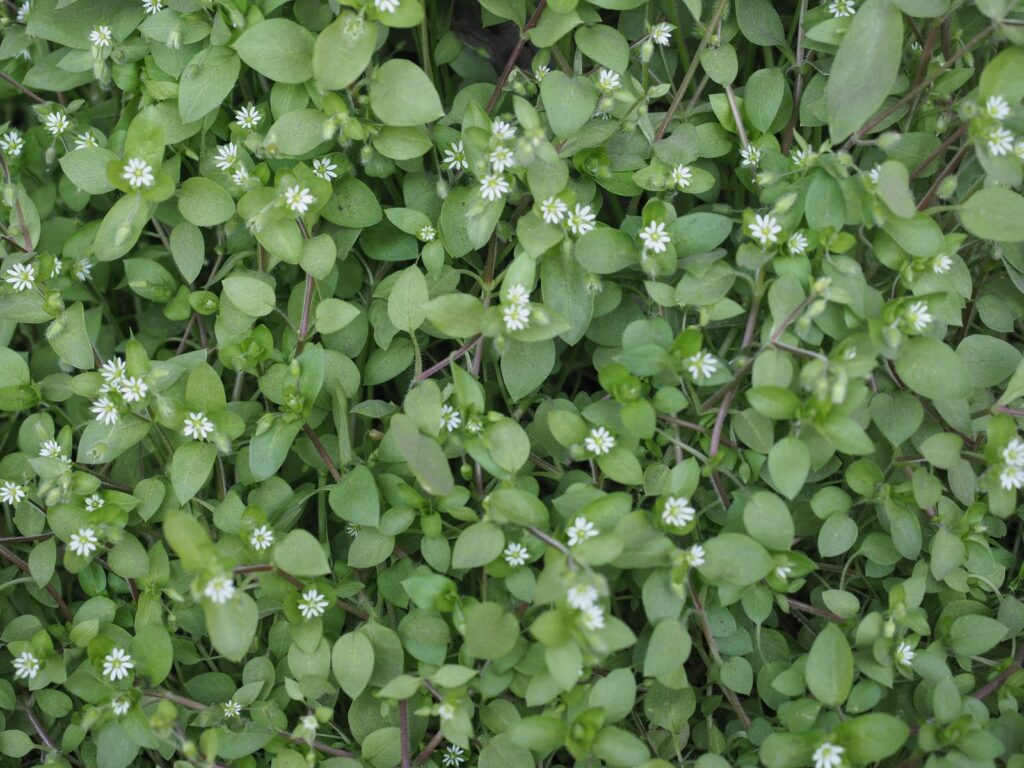
Now for a bit of history. Chickweed (Stellaria media) is a common edible weed found throughout temperate regions worldwide. Historically valued for its mild flavor and wide availability, chickweed has been used as food, fodder, and folk medicine for centuries. It grows low to the ground in mats of small, opposite leaves and tiny white star-shaped flowers, making it easy to harvest in spring and early summer.
Historical Background
– Ancient and medieval use: Chickweed appears in European herbal traditions dating to the Middle Ages; herbalists recommended it as a cooling, demulcent plant useful for soothing irritated tissues (explains why it’s so delicious on a hike!) It was often gathered in spring as one of the first fresh greens after winter.
– Traditional culinary role: Because of its tender texture and mild, slightly sweet taste, chickweed has historically been eaten raw in salads, added to soups, or used as a cooked green in pies and pottages. Foragers prized it as a nutritious “first green” high in vitamins and minerals.
– Folk medicine and cultural practices: Folk remedies across Europe and North America used chickweed for skin conditions, minor inflammations, and as a poultice for bruises and insect bites. Herbalists also recommended it as a gentle internal cleanser and mild diuretic.
In the Kitchen
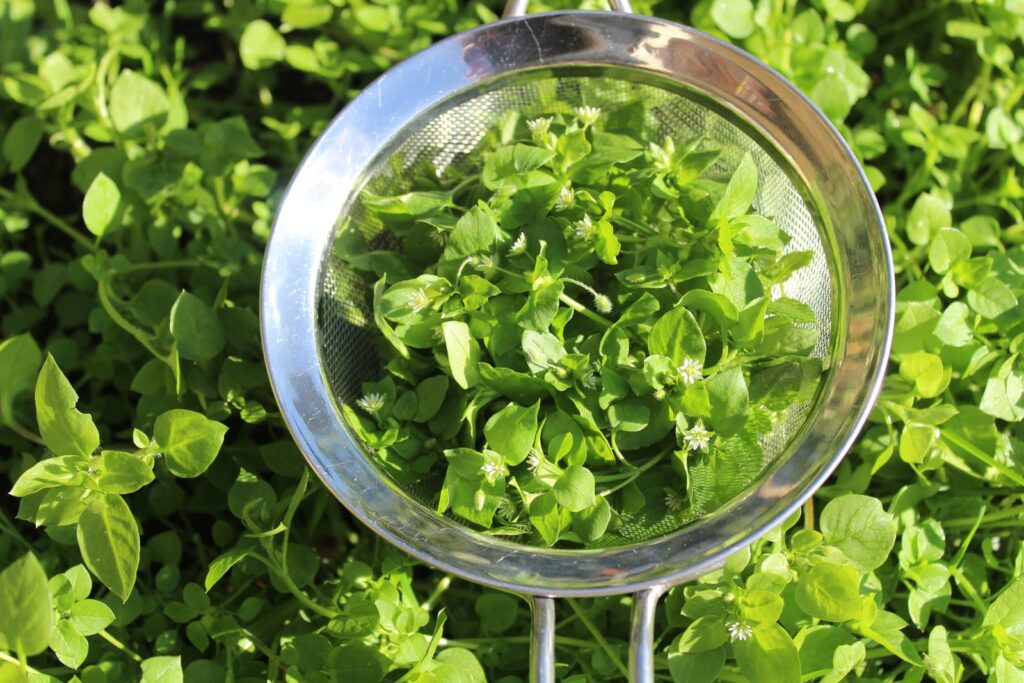
I have only ever used chickweed as food myself – in salads, sandwiches, omelettes and anywhere a sprinkle of green is welcomed. Not sure where I picked this up, but I also only harvest before flowering. If it’s gone to flower, I pretty much leave it in peace to continue. Also, I very much enjoy making chickweed pesto when it’s in season. Truth be told, I pretty much make pesto out of anything green I get my hands on. Maybe everything except arugula. The taste has to be more neutral and not bitter.
If you’re out of luck and not able to stumble upon this leafy weed, I do see dried versions of it sold at natural organic health stores. Most likely in the bulk item section but I wouldn’t be surprised if a tea, tincture or capsule of chickweed was sold too. In fact, I’m almost positive I have seen packaged products at the store.
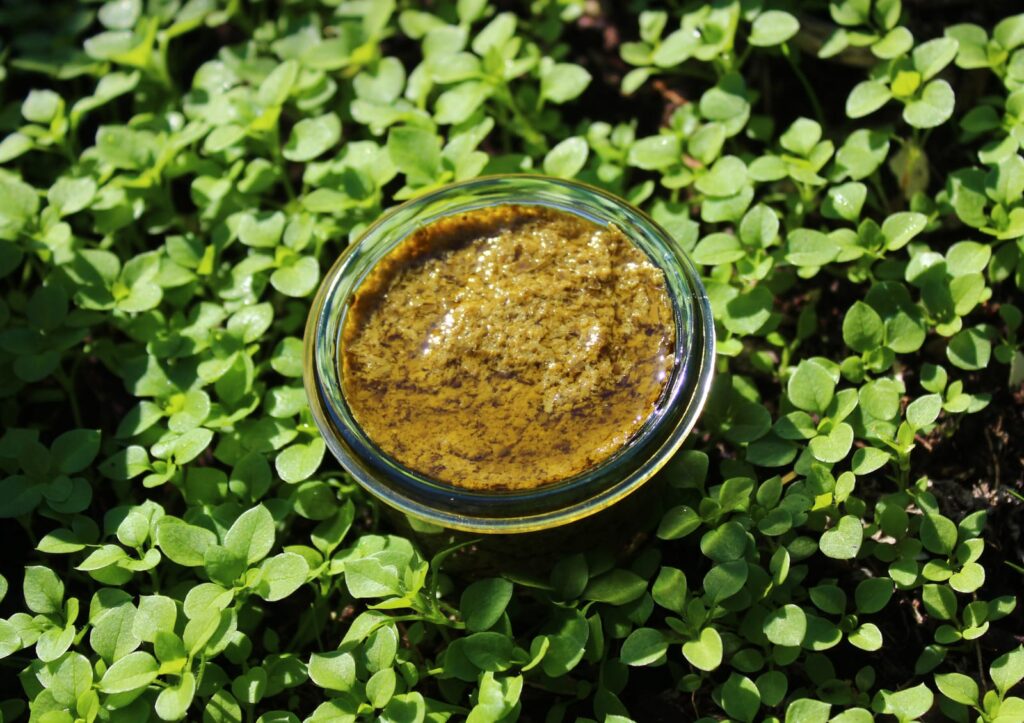
Hope you get to enjoy chickweed as much as I do. My there is a lot of green on this page! Hope your spring harvest and in the wild adventures are as enjoyable as mine. Thanks for stopping by!