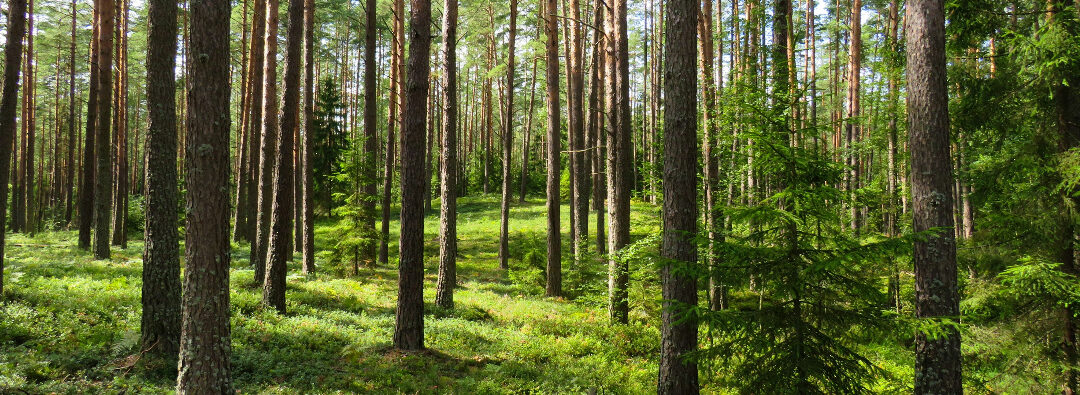
The crisp autumn air signals a dramatic shift, but most walkers overlook the edible gold beneath their feet. As leaves turn gold, the forest floor and hedgerows burst into life with overlooked culinary treasures. If you have ever wondered how to reconnect with nature while filling your basket, exploring fall plants to forage in the wild is the perfect adventure. Consequently, knowing exactly what to pick can transform a simple hike into a gourmet expedition.
Key Takeaways
- Autumn offers a unique bounty of wild edibles, from tart crabapples to sweet persimmons.
- Proper identification is critical; always use a field guide to avoid toxic look-alikes.
- Sustainable harvesting ensures local ecosystems thrive through the winter months.
- Essential gear includes a foraging knife, breathable bag, and sturdy gloves.
- Many wild autumn foods require specific preparation, like leaching acorns, to become edible.
Preparing for Your Autumn Harvest
Before stepping onto the trail, gear up properly. Furthermore, having the right tools prevents damage to the ecosystem and keeps you safe. For instance, a quality mushroom foraging knife allows you to cut fungi cleanly without disturbing the underground mycelium network. Additionally, a breathable mesh foraging bag spreads spores as you walk, promoting future growth. Finally, carrying a reliable wild edibles field guide ensures you never misidentify a toxic look-alike when searching for fall plants to forage in the wild.
Prime Fall Plants to Forage in the Wild
As temperatures drop, specific flora reaches peak flavor. Consequently, autumn is the prime time to gather nature’s overlooked bounty. Here are the top seasonal edibles you should target this year.
Crabapples and Wild Apples
Tart and abundant, wild apples thrive in hedgerows and forest edges. While too sour to eat raw, they are incredibly high in pectin. Therefore, they make incredible jellies, syrups, and ciders. Always ensure you are not picking from ornamental landscaping that may have been sprayed with pesticides.
Rose Hips
After roses fade, bright red and orange hips remain on the bushes. Moreover, they are packed with Vitamin C, making them a powerful immune booster for winter. You can brew them into a sweet tea or cook them into a tangy sauce. However, avoid eating the hairy seeds inside, as they can irritate the digestive tract.
Chanterelle Mushrooms
Golden and fragrant, chanterelles hide under conifers and hardwoods. They offer a delicate, peppery flavor that elevates any dish. However, you must cross-reference with your field guide to avoid toxic look-alikes like the Jack-o’-lantern mushroom. When in doubt, throw it out.
Acorns
Bitter raw, but leached acorns yield a rich, nutty flour. Consequently, they serve as a staple survival food that has sustained humans for millennia. Gather them promptly before squirrels claim them, and check for small weevil holes. Discard any nuts showing signs of insect infestation.
Persimmons
These sweet, orange fruits ripen perfectly after the first frost. As a result, they become soft, sugary, and incredibly delicious. Unripe persimmons contain high tannin levels that will pucker your mouth instantly. Therefore, wait until the fruit is wrinkly and soft before harvesting.
Essential Safety Guidelines for Wild Harvesting
Never eat anything unless you are 100% certain of its identity. Furthermore, avoid roadsides where chemical runoff contaminates the soil. In addition, always wash your haul thoroughly before consumption. Therefore, taking your time to positively identify fall plants to forage in the wild is non-negotiable. If a plant shares visual similarities with a toxic species, simply move on.
Sustainable Practices for Autumn Foraging
Take only what you need. Additionally, leave plenty for wildlife preparing for winter. Consequently, this ensures the ecosystem remains balanced for future seasons. Overharvesting can decimate local populations, so always tread lightly. Never pull plants up by the roots unless you are harvesting the root itself, and spread seeds whenever possible.
Frequently Asked Questions
What is the easiest fall plant for beginners to forage?
Rose hips are widely considered the easiest option. They are highly distinct, lack toxic look-alikes, and grow openly on bushes, making them perfect for novice foragers.
When is the best time to harvest autumn wild edibles?
Timing depends on the species. For instance, persimmons become sweet only after the first frost, while mushrooms like chanterelles appear after heavy autumn rains.
Are acorns safe to eat straight from the tree?
No, raw acorns contain high levels of bitter tannins that can upset your stomach. Consequently, you must leach them in water until the bitterness is completely gone before consumption.
How can I avoid poisonous mushrooms?
Never consume a mushroom unless an expert has verified it. Furthermore, avoid relying solely on phone apps; always cross-reference with a reputable physical field guide.
Conclusion
Embrace the chill and head outdoors. Mastering fall plants to forage in the wild connects us to our ancestral roots while providing incredible flavors. Therefore, step outside, breathe the crisp air, and let nature fill your pantry. With the right knowledge and respect for the land, autumn becomes a season of abundant harvest.
Table of Contents
- Key Takeaways
- Preparing for Your Autumn Harvest
- Prime Fall Plants to Forage in the Wild
- Crabapples and Wild Apples
- Rose Hips
- Chanterelle Mushrooms
- Acorns
- Persimmons
- Essential Safety Guidelines for Wild Harvesting
- Sustainable Practices for Autumn Foraging
- Frequently Asked Questions
- What is the easiest fall plant for beginners to forage?
- When is the best time to harvest autumn wild edibles?
- Are acorns safe to eat straight from the tree?
- How can I avoid poisonous mushrooms?
- Conclusion