So wide spread and well known for its calming properties, lavender needs no introduction. The scent of lavender has entered into the marketplace through various lotions, candles and scented sachets.
I have my own love affair with lavender. Countless times I have tried to grow lavender in a pot in vain. I have given up. Now I buy lavender in forms of tea, oil, culinary, scent sachets and all the other wonderful ways it reaches people.
My favorite story has to be visiting a park where the lavender was being cut down for the season. As the staff gardener cut down the lavender hedges, I approached and asked if I could take some of it home. He gladly agreed. I then spent several days/weeks harvest the little bit that encompasses the marvelous smell of lavender.
Here is an overview with information about its uses. But I’m sure if you’re like me, you have encountered it and used it many times over.
A Glimpse of Lavender: Overview, Uses, and Lavender Oil Effects
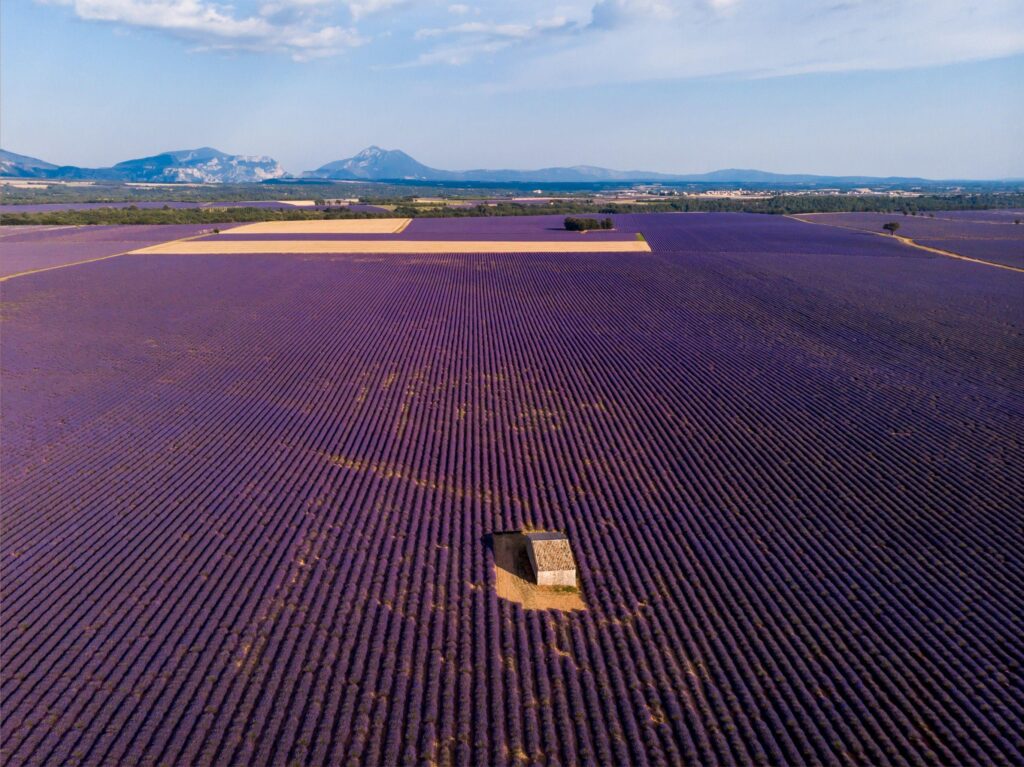
Few plants capture the imagination quite like lavender (Lavandula). To the casual observer, it’s a staple of cottage gardens and potpourri. But to the forager, it is a versatile ally for the kitchen, the apothecary, and the spirit. From the rolling hills of Provence to the wilder edges of North American meadows, lavender has been cultivated and gathered for thousands of years.
Whether you are looking to add a floral note to your baking or seeking a natural remedy for a restless night, understanding the full potential of this herb is the first step to mastering its uses.
Overview: More Than Just a Pretty Flower
Botanically, lavender belongs to the Lamiaceae family, making it a close cousin to mint, rosemary, and sage. While there are over 400 species, the two most common varieties you’ll encounter in the wild or in cultivation are:
- English Lavender (Lavandula angustifolia): Known for its delicate, sweet fragrance and high essential oil content. This is the gold standard for culinary use and high-quality aromatherapy.
- French or Spanish Lavender (Lavandula dentata or Lavandula stoechas): Often hardier and slightly more camphoraceous (medicinal) in scent, these are typically used for ornamental purposes and lower-grade oil production.
The Forager’s Guide to Identification
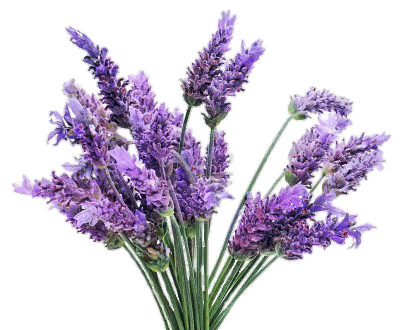
When foraging lavender, look for the characteristic square stems (a hallmark of the mint family), narrow gray-green foliage, and spikes of small, tubular flowers ranging from deep purple to pale blue. The plant thrives in well-drained, sandy soil and full sun, often found growing wild in rocky, dry pastures.
Culinary and Medicinal Uses
While the essential oil gets the most attention, the dried flower buds are a powerhouse in their own right.
In the Kitchen
Lavender is a “wild card” herb. A little goes a very long way.
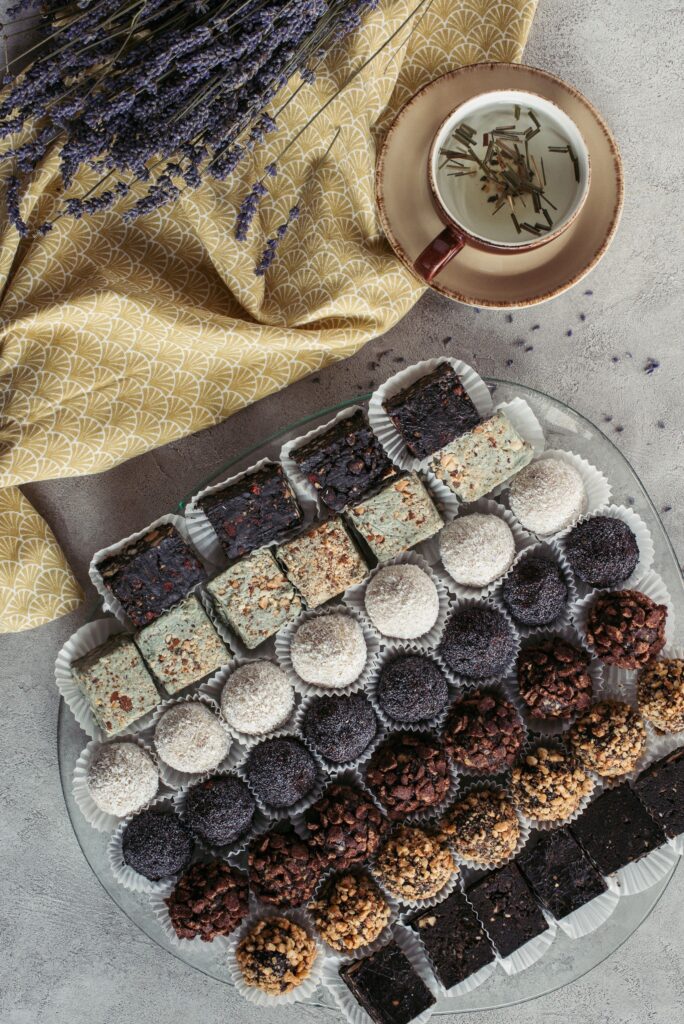
- Baking: Infuse sugar, honey, or milk with dried lavender buds to create the base for cookies, scones, and lemon tarts.
- Savory Dishes: It pairs surprisingly well with roasted lamb, grilled vegetables, and even savory herb blends like herbes de Provence.
- Beverages: Use it to steep in black tea or to flavor homemade syrups for cocktails and mocktails.
Important Foraging Note: Always ensure you are harvesting lavender away from roadsides or areas treated with pesticides. The flavor is potent; start with small amounts to avoid a soapy aftertaste.
Traditional Medicine
For centuries, cultures across Europe and the Mediterranean have used lavender to soothe minor burns, insect bites, and digestive upsets. The dried flowers are often brewed into a calming tea, while the oil is applied topically (diluted) for skin irritations.
The Magic of Lavender Oil
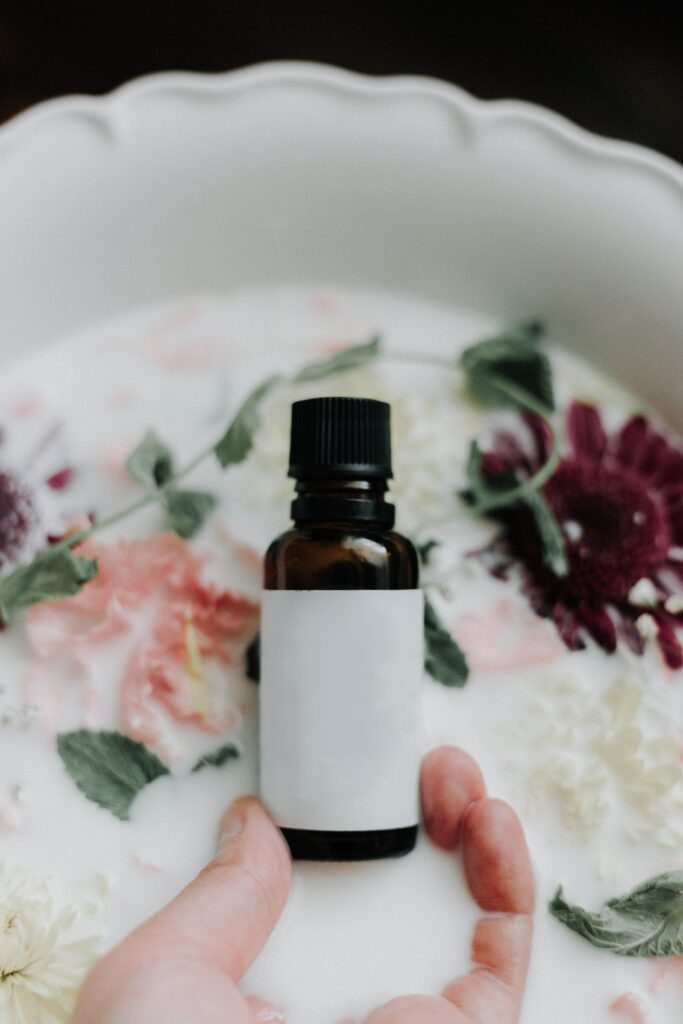
The extraction of lavender oil, typically through steam distillation of the flowering tops, concentrates the plant’s volatile compounds. This oil is the primary reason lavender is a household name in modern wellness.
Key Chemical Compounds
The effects of lavender oil are driven by its chemical profile, primarily:
- Linalool: A terpene responsible for the floral scent and the primary sedative effect.
- Linalyl Acetate: Contributes to the calming and relaxing properties.
Proven Benefits and Effects
Modern research supports much of the traditional wisdom surrounding the oil, particularly regarding the nervous system.
- Sleep and Relaxation: This is the most well-documented use. Studies suggest that inhaling lavender oil can reduce anxiety and improve sleep quality by lowering heart rate and blood pressure. It is often used in aromatherapy diffusers or applied to pillowcases.
- Stress Reduction: Clinical trials have shown that lavender oil can significantly reduce symptoms of generalized anxiety and depression when used in conjunction with standard treatments.
- Skin Health: Due to its anti-inflammatory and antimicrobial properties, diluted lavender oil is a popular natural remedy for minor burns, acne, and insect bites. It promotes healing and reduces redness.
Safety and Precautions
While lavender is natural, it is potent. When using lavender oil, keep these rules in mind:
- Dilution is Key: Never apply pure essential oil directly to the skin. Always dilute it in a carrier oil (like jojoba, almond, or coconut oil). A safe ratio is generally 1–2 drops of essential oil per teaspoon of carrier oil.
- Internal Use: Do not ingest essential oils unless under the guidance of a qualified professional. While culinary lavender is safe in food, the concentrated oil can be toxic in larger doses.
- Pregnancy and Pets: Pregnant women and individuals with specific health conditions should consult a doctor before use. Be cautious with pets, particularly cats, as they metabolize essential oils differently and may be sensitive to certain compounds found in lavender.
Bringing the Wild Home
Harvesting lavender is a sensory experience that connects you to the rhythm of the seasons. By learning to identify the plant, understand its culinary potential, and safely extract its oil, you unlock a tool that has served humanity for millennia.
Whether you are brewing a pot of tea to wind down after a long day or infusing a batch of cookies for a summer gathering, lavender offers a gentle bridge between the wild outdoors and the comforts of home.