Table of Contents
- Identifying Safe and Toxic Blooms
- Nasturtiums: The Peppery Punch
- Lavender: The Floral Perfume
- Borage and Calendula
- Dandelions
- Using in the Kitchen: From Infusions to Garnishes
- Infusions and Syrups
- Crystallized Decorations
- Savory Applications
- Preserving Your Floral Harvest
- Can I eat flowers from a florist?
- What are the best edible flowers for beginners?
- How do I wash delicate edible flowers without damaging them?
- Are there any common edible flowers that taste bad?
- Can I use edible flowers in baking?
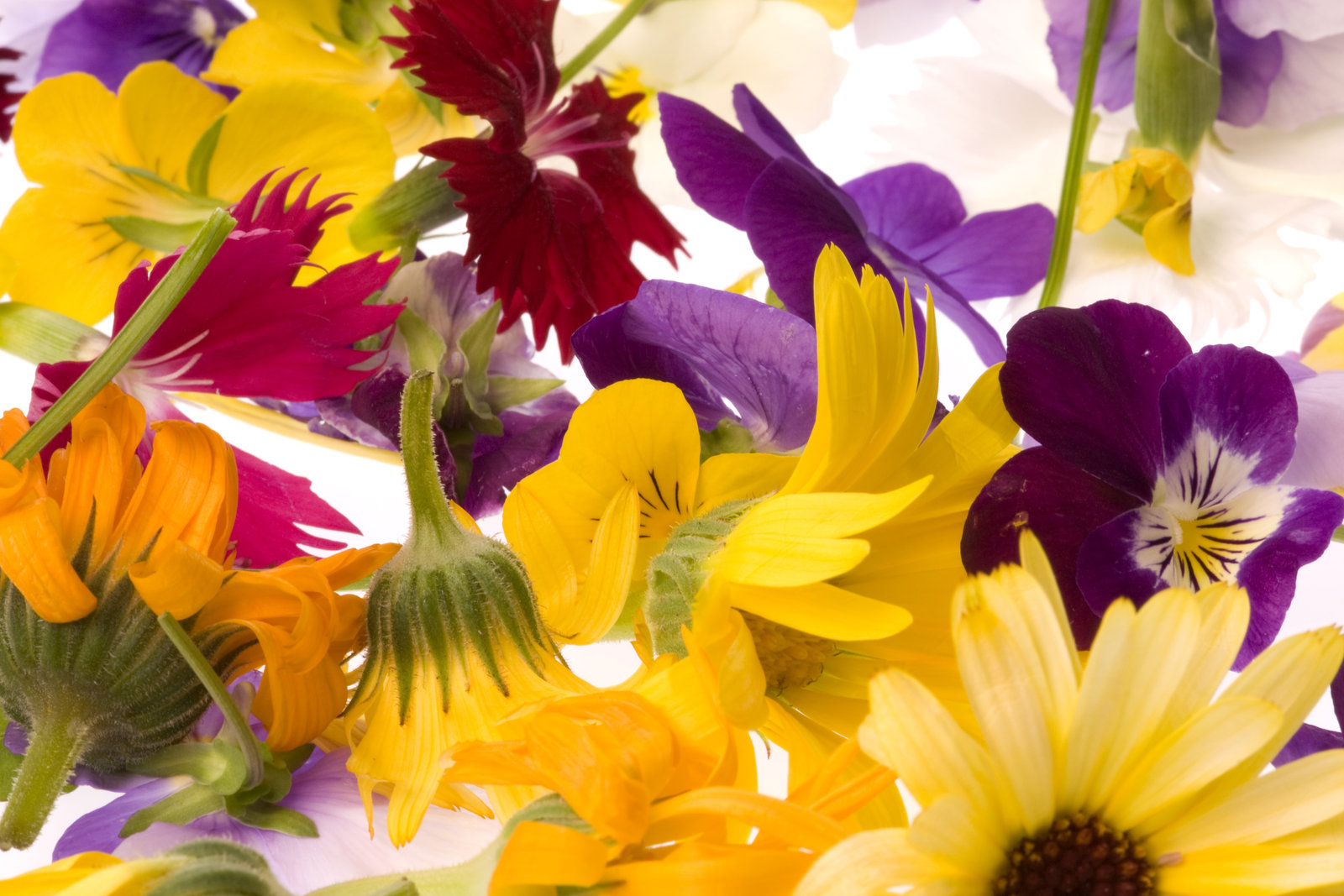
You’ve plated the perfect dish, but it’s missing that undeniable wow factor. The flavors are spot-on, yet the presentation feels a little flat. What if the secret ingredient was growing right outside your back door? Welcome to the vibrant world of culinary blooms. When you learn all about edible flowers, you unlock a completely new dimension of cooking. However, diving into this colorful world requires more than just sprinkling petals on a salad. Consequently, knowing which blooms are safe and how to maximize their flavor is absolutely essential for any home chef.
Key Takeaways
- Not all flowers are edible; proper identification is crucial to avoid toxic lookalikes.
- Edible blooms range from peppery and spicy to sweet and floral, offering diverse flavor profiles.
- Always source flowers from organic, pesticide-free environments to ensure safety.
- Preservation methods like drying and freezing allow you to enjoy your floral harvest year-round.
Identifying Safe and Toxic Blooms
The most critical step in this journey is identifying what you can and cannot eat. Many beautiful garden plants are highly toxic. For instance, the lovely foxglove can cause severe heart issues if ingested. Therefore, never consume a flower unless you are 100% certain of its species. Furthermore, just because a flower is biologically “edible” doesn’t mean it’s pleasant to eat. Some are incredibly bitter or bland.
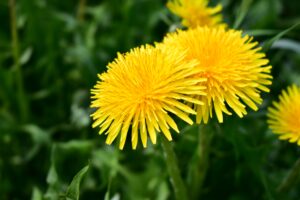
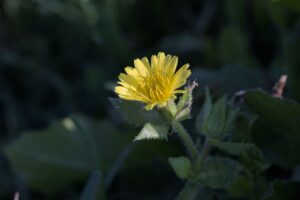
Is it a dandelion or a look-alike?”
When identifying, rely on multiple field guides or an expert forager. Additionally, beware of dangerous lookalikes. The edible wild carrot, commonly known as Queen Anne’s lace, closely resembles poison hemlock. Consequently, beginners should stick to easily recognizable varieties like nasturtiums or calendula. If you want to master all about edible flowers, start with the unmistakable ones before venturing into trickier territory.
All about Edible Flowers: A Flavor Guide
Once you know what is safe, the real fun begins. Learning all about edible flowers means understanding their unique flavor profiles. Some blooms offer a spicy kick, while others provide a sweet, perfumed aroma. Consequently, matching the flower to the dish is the secret to culinary success.
Nasturtiums: The Peppery Punch
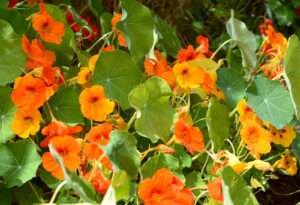
Nasturtiums are a forager’s favorite. They deliver a peppery punch similar to arugula, making them perfect for savory dishes. In addition, their vibrant orange and red petals add stunning visual contrast to green salads. You can also stuff the blossoms with herbed goat cheese for a fantastic appetizer.
Lavender: The Floral Perfume
On the other hand, lavender is intensely floral. A little goes a long way. Consequently, it pairs beautifully with honey, roasted meats, and goat cheese. When exploring all about edible flowers, remember that overusing lavender can make your dish taste like soap. If you aren’t able to find any or grow in your garden, culinary lavender can be ordered to make your recipes complete.
Borage and Calendula
Borage tastes remarkably like cucumber, offering a refreshing, cooling effect that is perfect for summer cocktails. Meanwhile, calendula acts as a poor man’s saffron, imparting a golden hue and a slightly tangy flavor to rice dishes.
Dandelions
Dandelions bring a cheerful pop of yellow and a mild, honey-like flavor to the table. Sprinkle the petals over salads, bake them into treats, make a jelly, or steep them in tea. Use only flowers you can confidently identify and that haven’t been sprayed with pesticides.
Using in the Kitchen: From Infusions to Garnishes
Now that you understand the flavors, let’s talk about using in the kitchen. The key is to let the blooms complement the dish, not overpower it. Start simple by adding petals to your existing recipes. Furthermore, always remove the pistils and stamens before eating, as they can be bitter and tough.
Infusions and Syrups
One of the easiest methods is infusing liquids. You can steep rose petals in cream for a luxurious panna cotta or add violets to simple syrup for cocktails. As a result, you capture the essence of the bloom without dealing with tough petals. Heat gently to avoid bitterness, and strain thoroughly.
Crystallized Decorations
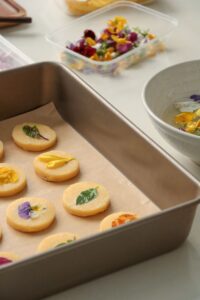
For a stunning dessert topping, try crystallizing your blooms. Simply brush petals with egg white, dust with superfine sugar, and let them dry overnight. Consequently, you’ll have elegant, shimmering decorations that taste as good as they look.
Savory Applications
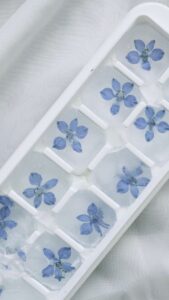
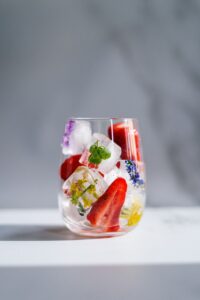
Don’t limit yourself to sweets! Squash blossoms are a classic example of using in the kitchen for savory meals. Stuff them with ricotta and herbs before battering and frying them. Additionally, freezing small petals in ice cubes creates a stunning visual effect for summer drinks or chilled soups.
Preserving Your Floral Harvest
Fresh blooms are fleeting, but you can extend their shelf life. Drying is the most common method. Spread petals on a screen in a warm, dry place away from direct sunlight. Consequently, you’ll have a pantry full of colorful ingredients for months to come.
Alternatively, you can freeze flowers in olive oil. Pack an ice cube tray halfway with petals, cover with oil, and freeze. These cubes are perfect for sautéing vegetables or fish. As a result, you can taste the essence of summer in the middle of winter. When you know all about edible flowers, you realize that proper preservation is just as important as the harvest itself.
Frequently Asked Questions
Can I eat flowers from a florist?
Absolutely not. Florist flowers are heavily treated with pesticides, dyes, and preservatives that are highly toxic to humans. You should only consume flowers that are specifically grown for culinary use or that you have foraged from a verified, spray-free environment.
What are the best edible flowers for beginners?
Nasturtiums, calendulas, and pansies are the best starting points. They are easy to identify, widely available, and have distinct, pleasant flavors. Furthermore, they don’t have dangerous lookalikes that grow in typical gardens.
How do I wash delicate edible flowers without damaging them?
Handle them as little as possible. Instead of running them under a tap, gently swish them in a bowl of cool water. Then, lay them out on a paper towel to air dry. Never scrub or twist the petals, as they bruise very easily.
Are there any common edible flowers that taste bad?
Yes, some edible flowers are quite bitter or unfulfilling. For example, marigolds (apart from specific varieties like the Lemon Gem) can taste acrid and unpleasant. It is always best to taste a tiny petal before committing a whole blossom to a dish.
Can I use edible flowers in baking?
You certainly can, but high heat often destroys the delicate flavor and vibrant color of fresh petals. It is usually better to add them as a garnish after baking, or to use dried, ground flowers incorporated directly into the dough or batter.