Table of Contents
- The Thrill of Wildcrafting Your Brew
- Essential Safety Rules for Foraging
- Herbal Teas from Wild Plants: Top Botanicals to Harvest
- Stinging Nettle (Urtica dioica)
- Pine Needles (Pinus species)
- Dandelion (Taraxacum officinale)
- From Forest Floor to Cup: How to Prepare Wild Herbal Infusions
- Drying vs. Fresh Brewing
- The Perfect Steep
- Tools of the Trade for Wild Tea Enthusiasts
- Frequently Asked Questions
- Is it safe to make tea from wild plants?
- What is the best wild plant for beginners to brew?
- How do you dry wild herbs for tea?
- When is the best time to harvest wild tea plants?
- Can I mix different wild plants in one tea?
Tired of overpriced, dusty tea bags that taste like cardboard? What if the most potent, flavorful brews are growing right outside your back door? Foraging transforms your daily cup into an adventure. Discovering how to make herbal teas from wild plants connects you with nature while sipping on free, organic medicine. It is easier than you think, provided you know exactly what to pluck and what to avoid.
Key Takeaways
The Thrill of Wildcrafting Your Brew
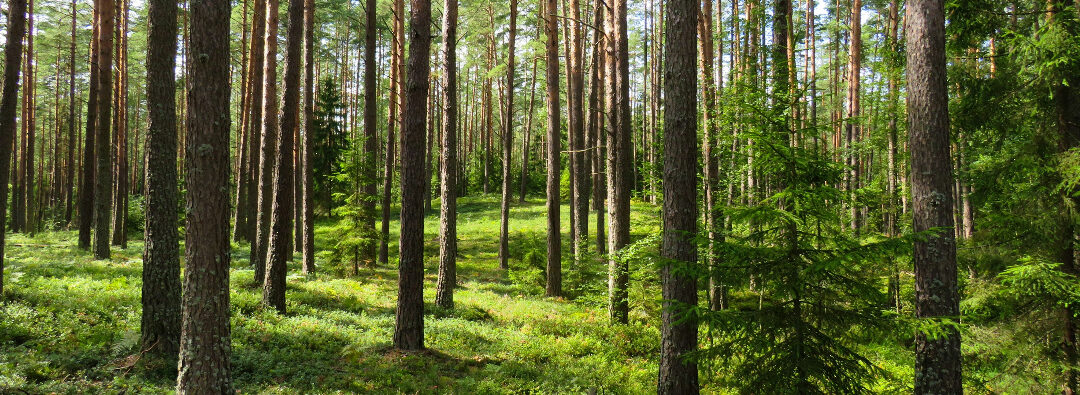
Stepping into the woods with a basket feels primal. Consequently, harvesting your own drink deepens your connection to the land. Furthermore, wild leaves and roots contain concentrated nutrients because they survive without human pampering. However, this wild freedom requires responsibility. You must respect the ecosystem and only take what you need.
Essential Safety Rules for Foraging
Before you steep a single leaf, you must follow strict safety guidelines. First, never harvest from roadsides or sprayed fields. As a result, you avoid pollutants and pesticides. Second, use a reliable field guide or app. If you are even 1% unsure about a plant, leave it alone. Therefore, your safety always comes before your tea craving. Safely brewing herbal teas from wild plants requires patience and respect for nature.
Herbal Teas from Wild Plants: Top Botanicals to Harvest
Choosing the right flora is crucial for a delicious cup. Fortunately, several common weeds make incredible infusions. In addition to being easy to find, they offer distinct health benefits. Here are the best candidates for your wild tea collection.
Stinging Nettle (Urtica dioica)
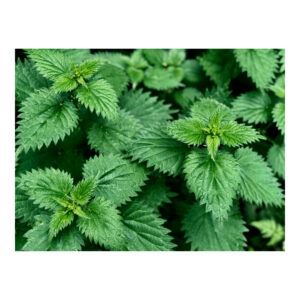
Do not let the name scare you! Once dried or boiled, the sting disappears completely. Consequently, you are left with a rich, mineral-packed brew. Furthermore, nettle tea supports joint health and combats seasonal allergies. It tastes remarkably similar to a grassy green tea.
Pine Needles (Pinus species)
Pine needles offer a zesty, citrusy punch loaded with Vitamin C. However, you must correctly identify the tree. Avoid Yew trees, which are highly toxic. As a result, stick to white pine or other edible varieties. Simply snip a few needles, chop them up, and steep them in hot water for a refreshing forest tonic.
Dandelion (Taraxacum officinale)
Dandelions are not just pesky lawn invaders. Instead, they are a forager’s best friend. The leaves make a detoxifying tea, while the roots create a coffee-like substitute. In addition, every part of this plant is edible. Therefore, you can brew a robust, bitter cup that supports liver function and digestion.
From Forest Floor to Cup: How to Prepare Wild Herbal Infusions
Processing your harvest correctly ensures maximum flavor and safety. Furthermore, proper preparation destroys any lingering bacteria or bugs. Consequently, you will enjoy a clean, refreshing drink every time.
Drying vs. Fresh Brewing
You can certainly brew fresh leaves immediately. However, drying your harvest significantly extends its shelf life. The secret to perfect herbal teas from wild plants lies in proper dehydration. To dry, tie small bundles and hang them in a warm, dark place. Alternatively, use a food dehydrator set to low heat. Once crisp, store the leaves in airtight jars away from sunlight.
The Perfect Steep
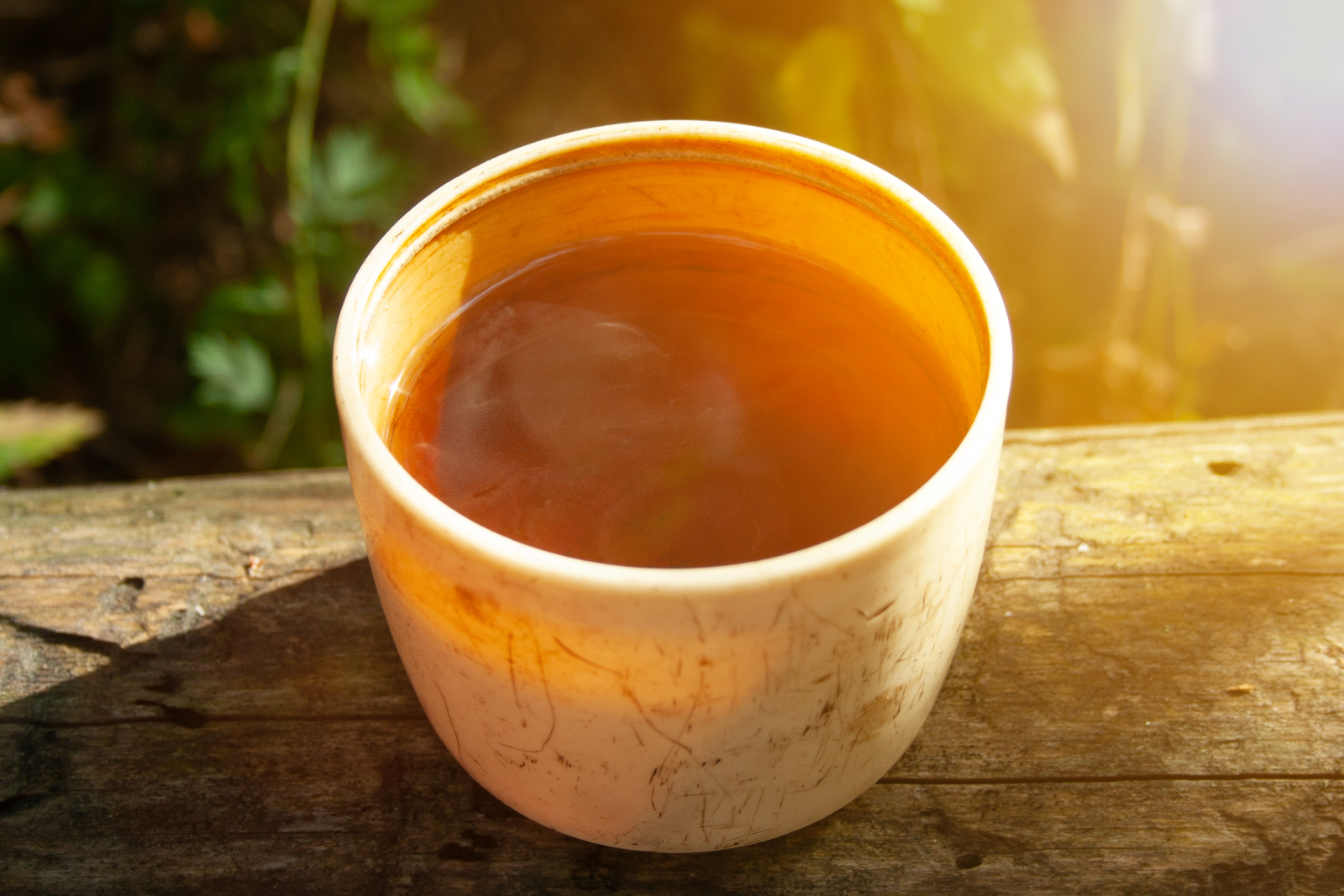
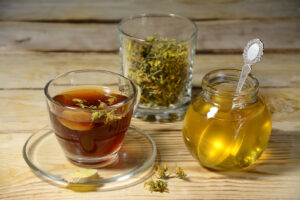
Making the actual tea is simple. First, boil fresh, filtered water. Next, add a tablespoon of dried or fresh plant material to your cup. Pour the water over the herbs and cover the mug. Let it steep for 5 to 10 minutes. Finally, strain out the leaves and enjoy your wild brew!
Tools of the Trade for Wild Tea Enthusiasts
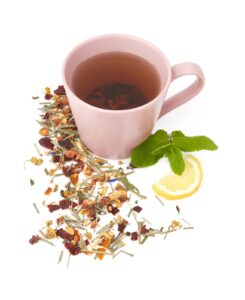
Having the right gear makes your foraging trip efficient and enjoyable. Furthermore, proper tools prevent damage to the plants. A sharp foraging knife allows for clean cuts that heal quickly. Additionally, a woven basket lets spores and seeds fall through as you walk, promoting new growth. A good field guide is also indispensable for identifying herbal teas from wild plants safely.
Ultimately, crafting herbal teas from wild plants is a rewarding, sustainable practice. It gets you outdoors, saves money, and fills your mug with unmatched flavor. So grab your basket, head into the woods, and start sipping the wild today.
Frequently Asked Questions
Is it safe to make tea from wild plants?
Yes, it is entirely safe if you positively identify the plant. Never consume any wild plant unless you are 100% certain of its identity. Furthermore, avoid harvesting from polluted areas like roadsides or industrial farms to prevent ingesting harmful chemicals.
What is the best wild plant for beginners to brew?
Stinging nettle is the best starting point. It is easy to identify, widely available, and offers a mild, green tea-like flavor. Additionally, the stinging hairs disappear completely once the plant is dried or steeped in hot water, making it safe to handle.
How do you dry wild herbs for tea?
The easiest method is to tie small bundles of stems with a string and hang them upside down in a warm, dry, dark room. Alternatively, you can spread the leaves on a baking sheet and dry them in an oven or food dehydrator at a very low temperature until they crumble easily.
When is the best time to harvest wild tea plants?
The best time to harvest is in the morning after the dew has dried but before the midday sun sets in. At this time, the essential oils—which provide flavor and medicinal benefits—are at their peak concentration in the leaves and flowers.
Can I mix different wild plants in one tea?
Absolutely! Mixing wild plants allows you to create unique flavor profiles and combine health benefits. For example, pairing pine needles with yarrow creates a potent immune-boosting winter tonic. Always research each plant individually before combining them to ensure compatibility.