Table of Contents
- The Golden Rule of Identification
- Identifying Poison Ivy
- Identifying Poison Oak
- How to Spot Poison Ivy and Poison Oak in Different Seasons
- Look-Alikes: Plants Often Mistaken for Toxic Species
- Frequently Asked Questions
- Can you get a rash from burning these plants?
- Does scratching the blisters spread the rash?
- How long does urushiol stay active on clothing?
- What is the best way to wash off the oil?
- Are there any animals that eat these plants?
You’re deep in the woods, the trail is beautiful, and then you feel it—that maddening, blistering itch. The culprit? Most likely a stealthy plant you brushed against hours ago. Knowing how to spot poison ivy and poison oak is the ultimate outdoor superpower. If you spend any time outside, confusing these toxic plants with harmless greenery can lead to weeks of misery. Let’s break down exactly what to look for so you can keep your skin safe and your adventures itch-free.
Key Takeaways
- “Leaves of three, let it be”: Both plants feature three leaflets per stem.
- Growth habits vary: Poison ivy can be a vine or shrub; poison oak is usually a shrub or climbing vine.
- Seasonal color shifts: Leaves turn from red in spring, to green in summer, to crimson in fall.
- Year-round threat: The oily resin (urushiol) remains active on bare winter stems.
- Look-alikes exist: Box elder and raspberries also grow in clusters of three, but lack the oily resin.
The Golden Rule of Identification
Before diving into specifics, you need to memorize the golden rule. “Leaves of three, let it be.” Both poison ivy and poison oak feature compound leaves made up of three leaflets. Consequently, if you see a plant with three leaves growing from a single stem, give it a wide berth.
However, this rule isn’t foolproof, as other harmless plants also grow in clusters of three. Therefore, you must look closer at the leaf shape and growth habit. The middle leaflet always has a longer stem than the two side leaflets. Furthermore, the edges of the leaves can be smooth, toothed, or lobed, making identification a bit tricky for the untrained eye.
Identifying Poison Ivy
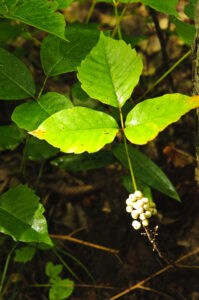
Poison ivy is the ultimate shape-shifter. In the eastern United States, it typically grows as a hairy vine climbing up trees or fences. Conversely, out west, it often grows as a ground-covering shrub. When you are trying to figure out how to spot poison ivy and poison oak, the vine’s hairy appearance is a massive red flag.
The leaves can be smooth, toothed, or lobed, but the middle leaflet always has a longer stem. In the spring, the leaves appear reddish, turning glossy green in the summer, and finally blazing red or orange in the fall. Additionally, the plant produces clusters of whitish-green berries in late summer, which are a favorite food for birds but terrible for human skin.
Identifying Poison Oak
Poison oak is equally deceptive. Pacific poison oak thrives on the West Coast, while Atlantic poison oak prefers the sandy soils of the East Coast. As the name suggests, the leaves resemble white oak leaves, featuring distinct, rounded lobes. Additionally, the plant often has a fuzzy texture, especially on the fruits and stems.
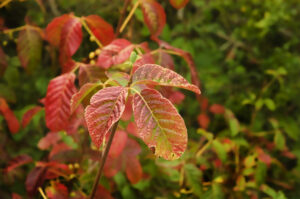
Like its cousin, poison oak shifts from red in the spring to green in the summer, and finally to a striking crimson in the autumn. It typically grows as a dense shrub, but it can also climb as a vine. If you want to know how to spot poison ivy and poison oak in dense underbrush, look for the oak-like lobed leaves and the fuzzy, hair-covered stems.
How to Spot Poison Ivy and Poison Oak in Different Seasons
These plants don’t die back in the winter; they just lose their leaves. Consequently, you can still get a rash from bare stems and vines. The oily resin, urushiol, remains active year-round. In the winter, look for dead vines clinging to trees or bare, upright stems. If you are clearing brush in December, you are still at risk.
During the spring, the bright red leaves are much easier to spot against the brown forest floor. However, summer’s dense canopy of green makes them blend right into the background. As a result, you must actively scan the edges of trails and the bases of trees. Always wear long sleeves and gloves, regardless of the season.
Look-Alikes: Plants Often Mistaken for Toxic Species
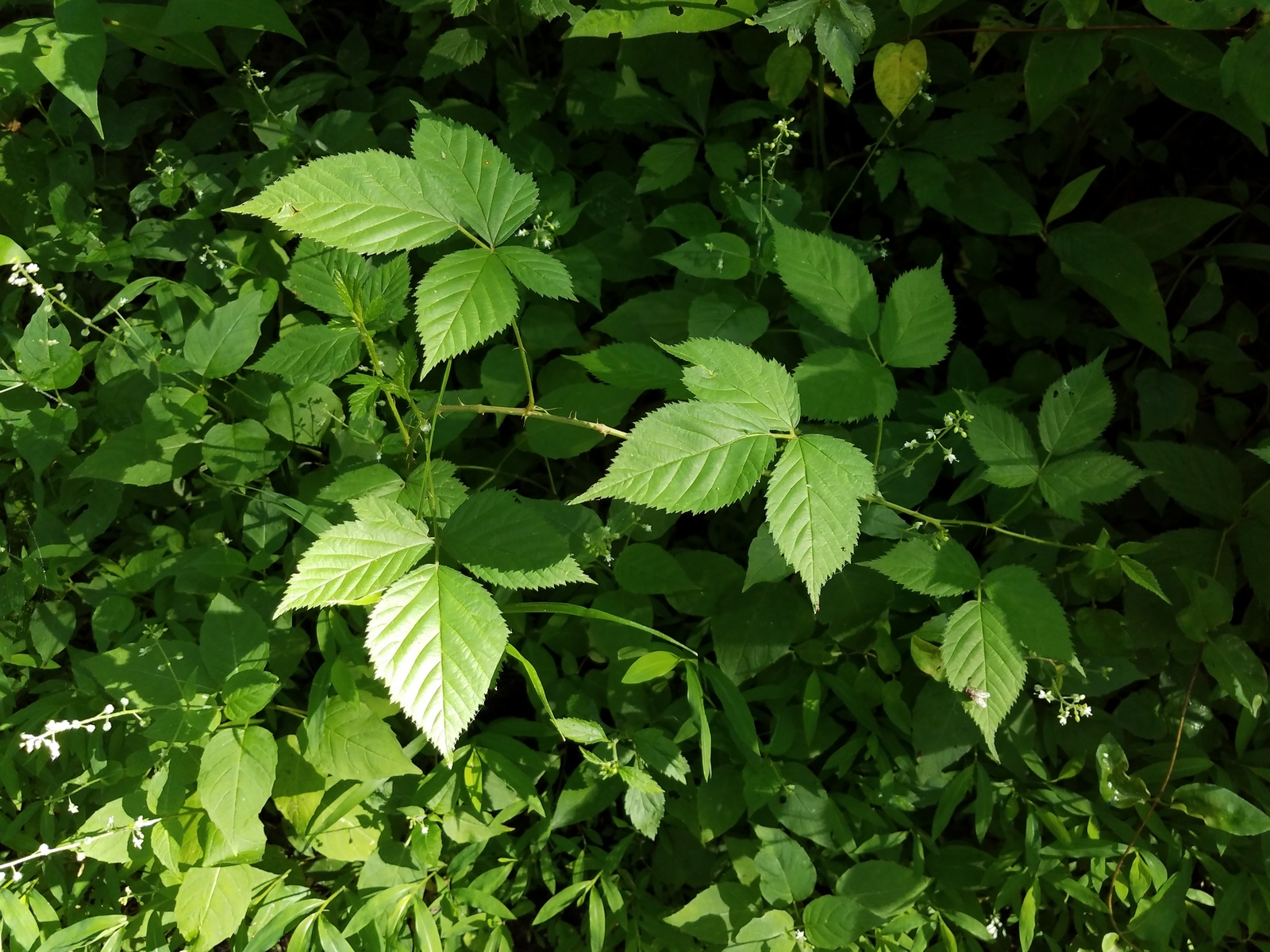
Several innocent plants get a bad rap because they also grow in clusters of three. For instance, box elder seedlings look remarkably like poison ivy. However, box elder leaves grow opposite each other on the stem, while poison ivy leaves alternate. Similarly, raspberries and blackberries have leaves of three, but their stems have thorns.
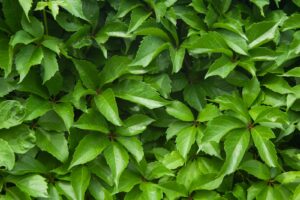
Virginia creeper usually has five leaflets, but young plants might only show three. When in doubt, take a photo and use an identification app, or simply walk away. Mastering how to spot poison ivy and poison oak takes practice, but it saves you from a world of hurt. If you are highly sensitive, carrying a specialized cleanser is always a smart move (CorTex Ivy X Pre-Contact Gel).
Frequently Asked Questions
Can you get a rash from burning these plants?
Absolutely. Burning poison ivy or poison oak is incredibly dangerous. The urushiol oil becomes airborne in the smoke, which can cause severe respiratory distress and systemic skin reactions. Never throw these plants into a campfire or burn pile.
Does scratching the blisters spread the rash?
No, this is a common myth. The fluid inside the blisters is your own bodily fluid and does not contain urushiol. However, scratching can cause secondary bacterial infections. Furthermore, if the original oil is still under your fingernails, you can technically spread it to other parts of your body before you wash it off.
How long does urushiol stay active on clothing?
Urushiol is incredibly resilient. It can remain active on clothing, shoes, and gear for years if it is not washed. Consequently, you must wash your hiking clothes in hot water and detergent immediately after exposure. Additionally, be sure to wipe down your backpack and wash your dog’s collar.
What is the best way to wash off the oil?
You have a window of about 10 to 20 minutes to wash the oil off your skin before it binds. Use a specialized poison ivy soap and cool water. Avoid hot water, as it opens your pores and allows the oil to absorb faster. If you don’t have specialized soap, plain dish soap and plenty of friction can work in a pinch.
Are there any animals that eat these plants?
Yes, many animals are completely immune to urushiol. Deer, goats, and birds frequently eat the leaves and berries. In fact, goats are often used as a natural, eco-friendly way to clear large infestations of poison ivy from properties. However, if you pet a goat that has been eating it, you can still get the oil on your skin.