
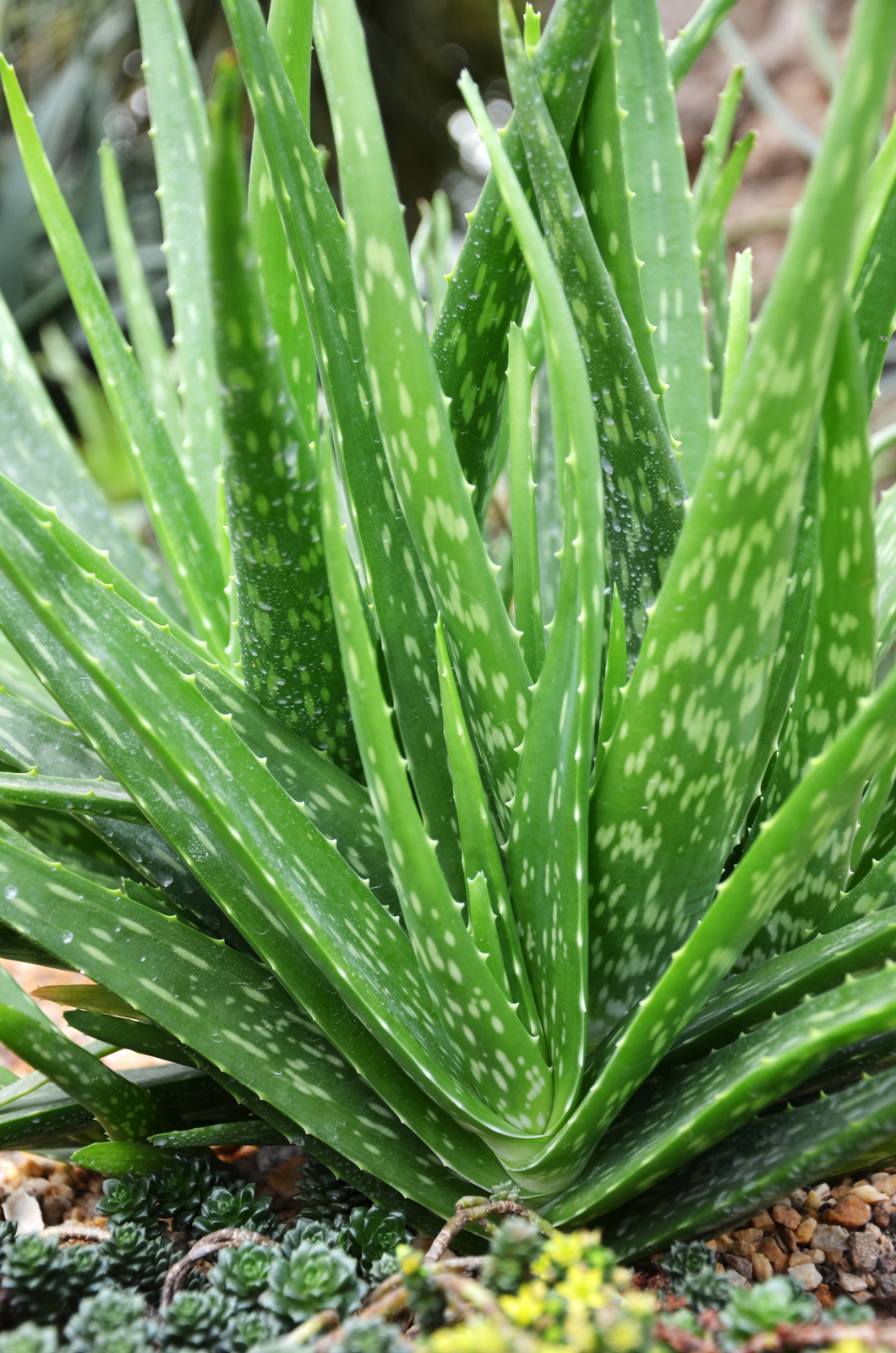
I’ll never forget the time I spent an entire day at the beach without sunscreen. My shoulders were screaming, red as a lobster, and my grandmother handed me a chunk of something green from her garden. Within twenty minutes, the cooling sensation kicked in, and I was hooked for life. That was my first real encounter with Aloe Vera’s Healing Properties and Ways to Use them beyond just sunburns.
Here’s the thing — this spiky succulent has been a staple in traditional medicine for over 6,000 years. The ancient Egyptians called it the “plant of immortality,” and honestly, after seeing what it can do, that name makes perfect sense. Whether you’re dealing with dry skin, minor cuts, or digestive discomfort, aloe vera might just be the most underrated remedy sitting in your windowsill.
Key Takeaways
- 75+ active compounds — including vitamins, minerals, enzymes, and amino acids — work together to promote healing
- Topical application soothes burns, cuts, acne, and eczema while speeding up skin repair
- Internal use (in proper forms) may support digestion, blood sugar regulation, and immune function
- Fresh gel from the plant offers the highest potency, but quality store-bought options work too
- Always perform a patch test before widespread use, and consult your doctor before ingesting aloe latex
What Makes Aloe Vera So Powerful?
Let’s break down what’s actually inside those thick, succulent leaves. Aloe vera contains over 75 biologically active compounds, which is pretty remarkable for a plant that basically thrives on neglect. These include vitamins A, C, and E, along with B12, folic acid, and choline.
Furthermore, it’s packed with minerals like calcium, magnesium, zinc, and selenium. These nutrients work synergistically to reduce inflammation and neutralize free radicals. In addition, aloe contains auxins and gibberellins — plant hormones that have anti-inflammatory and wound-healing properties.
Consequently, when you apply aloe vera to damaged skin, you’re not just getting a cooling sensation — you’re delivering a complex cocktail of healing compounds directly to the affected area. Studies have shown that aloe can increase collagen production and improve cross-linking in collagen structures, which accelerates wound closure.
Aloe Vera’s Healing Properties and Ways to Use It for Common Ailments
Now let’s get into the practical stuff. There are dozens of ways to incorporate this plant into your daily routine, and I’ve personally tested most of them. Here are the most effective applications backed by both tradition and science.
1. Sunburn and Minor Burn Relief
This is the classic use, and for good reason. Aloe vera creates a protective layer over burned skin while reducing inflammation and locking in moisture. I always keep a bottle of pure aloe vera gel in my fridge for this exact purpose.
Apply a generous layer to the affected area and let it air dry. Reapply every few hours as needed. The cooling effect is immediate, and it significantly reduces peeling.
2. Wound Healing and Cuts
Aloe vera stimulates fibroblast activity, which is essential for collagen synthesis and tissue repair. For minor cuts and scrapes, clean the wound first, then apply a thin layer of fresh gel.
Research published in the Journal of Dermatological Treatment found that aloe-treated wounds healed up to 9 days faster than conventional treatments. That’s a significant difference when you’re dealing with painful scrapes.
3. Acne and Blemish Control
Thanks to its antibacterial and anti-inflammatory properties, aloe vera can help reduce the redness and swelling associated with breakouts. It contains salicylic acid, which unclogs pores and acts as a gentle exfoliant.
I like to use it as an overnight spot treatment — just dab a small amount directly on the blemish before bed. By morning, the inflammation is noticeably reduced. Another way to use it for facial skin care is dabbing a generous amount on your face and leaving it on for 10-15 minutes. Extra tip: for an extra cooling mask – refrigerate the harvested aloe gel before application.
4. Digestive Support
When consumed properly, aloe vera juice can soothe the digestive tract and promote healthy bowel movements. The inner gel contains compounds that may reduce irritation in the stomach and intestines.
However, there’s an important distinction here — you want the inner leaf gel, not the yellow latex just beneath the skin. The latex contains aloin, which is a potent laxative and can cause cramping. Look for products specifically labeled as “aloin-free” or “inner leaf gel,” such as George’s Aloe Vera Juice.
5. Hair and Scalp Health
Aloe vera’s enzymes can remove dead skin cells from the scalp and promote healthy hair growth. It also acts as an excellent natural conditioner, leaving hair soft and shiny without any greasy residue.
Massage fresh gel directly into your scalp, leave it on for 30 minutes, then rinse. For best results, do this once a week. Your scalp will thank you.
How to Harvest and Prepare Fresh Aloe
If you’re lucky enough to have a live plant — and honestly, they’re nearly impossible to kill — harvesting your own gel is simple. Select a thick, mature leaf from the outer part of the plant and cut it at the base with a clean knife.
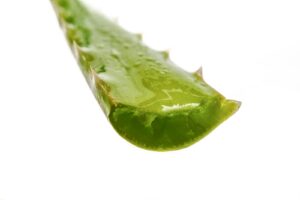
Let the yellow latex drain out for about 10 minutes, then rinse the leaf. Use a vegetable peeler to remove the green outer layer, revealing the clear gel inside. Scoop it out with a spoon and store it in an airtight container in the fridge for up to two weeks.

For longer storage, you can freeze the gel in ice cube trays. These frozen cubes are absolutely magical for sunburns — the cold temperature plus the aloe creates an incredibly soothing treatment.
Important Safety Notes
While aloe vera is generally safe for topical use, there are a few things to keep in mind. First, always do a patch test before applying it to large areas of skin. Some people may experience allergic reactions, especially if they’re sensitive to plants in the Liliaceae family.
Second, never ingest aloe latex or whole leaf extract without medical supervision. The aloin content can cause severe cramping, diarrhea, and electrolyte imbalances. Pregnant and breastfeeding women should avoid internal use entirely.
Lastly, if you’re taking medications — particularly diabetes drugs, heart medications, or laxatives — consult your healthcare provider before adding aloe vera to your routine, as it can interact with certain prescriptions.
Frequently Asked Questions
Can you use aloe vera straight from the plant?
Absolutely! In fact, fresh gel from the plant is the most potent form you can use. Just make sure to drain the yellow latex first, as it can be irritating to the skin. Rinse the clear gel and apply it directly to your skin or blend it into a smoothie. Fresh gel should be used immediately or stored in the fridge for up to two weeks.
Is aloe vera safe to drink every day?
When using properly processed, aloin-free aloe vera juice, moderate daily consumption is generally considered safe for most adults. However, whole leaf extracts and latex-containing products should not be consumed regularly. Stick to about 1-2 ounces per day of inner leaf gel juice, and always follow the manufacturer’s recommended dosage.
How often should I apply aloe vera to my skin?
For general skincare, you can apply aloe vera gel once or twice daily. For specific concerns like sunburns or minor wounds, reapply every 3-4 hours as needed. Aloe is gentle enough for frequent use, and it won’t clog pores, making it suitable for daily moisturizing routines.
Can aloe vera help with acne scars?
Aloe vera may help reduce the appearance of mild acne scars over time, thanks to its ability to stimulate collagen production and promote skin cell regeneration. However, it works best on newer, superficial scars rather than deep or old scarring. Consistent application over several weeks is necessary to see noticeable results.
Does aloe vera gel expire?
Fresh aloe vera gel lasts about one to two weeks in the refrigerator. Store-bought gels typically have a shelf life of 12-24 months when unopened, but check the expiration date. If your aloe gel changes color, develops an off smell, or grows mold, discard it immediately. Preservative-free products have a shorter shelf life.