Have you ever caught the distinct, herbaceous aroma of burning white sage and wondered about its origins? This sacred plant carries thousands of years of spiritual significance that most people never learn about. From ancient indigenous ceremonies to modern wellness practices, white sage has woven itself into human history in profound ways.
Key Takeaways:
- White sage (Salvia apiana) has been used ceremonially by Native American tribes for thousands of years
- The plant holds deep spiritual significance in purification and cleansing rituals
- Modern demand has created serious sustainability concerns and ethical harvesting issues
- Understanding the cultural context is essential before incorporating white sage into personal practice
- Several sustainable alternatives exist for those seeking similar aromatic experiences
The Botanical Origins of Salvia apiana
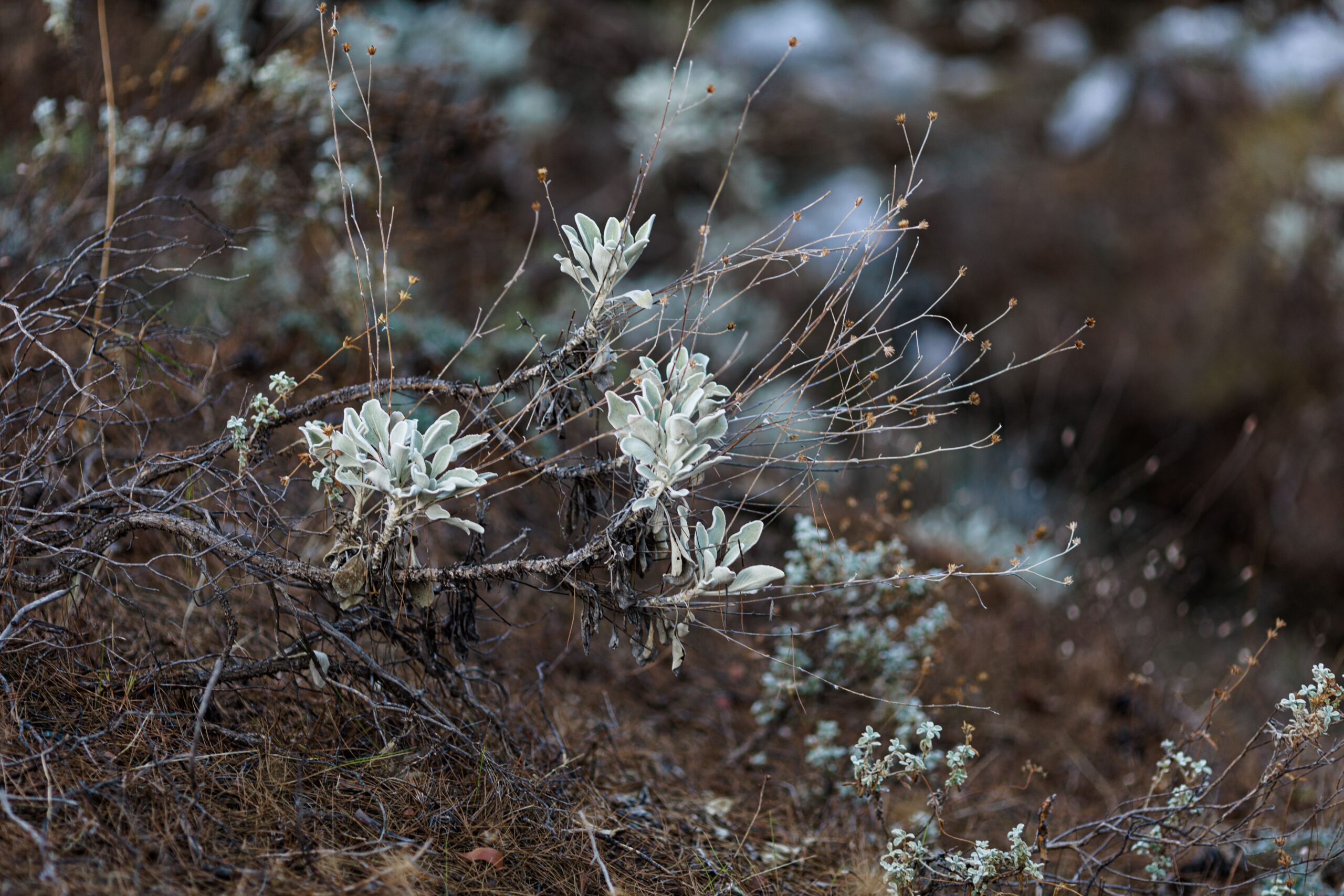
White sage, scientifically known as Salvia apiana, is an evergreen perennial shrub native to the southwestern United States and northwestern Mexico. Consequently, it thrives in the arid coastal sage scrub regions of Southern California and Baja California. The plant features broad, silvery-white leaves that release a potent, resinous fragrance when crushed or burned.
Furthermore, white sage belongs to the Lamiaceae family, making it a relative of common garden sage and mint. However, unlike its culinary cousins, this particular species was never traditionally used as a food seasoning. Instead, indigenous communities recognized its powerful spiritual properties and reserved it exclusively for ceremonial purposes.
Indigenous Roots and Ancient Traditions
The history and sacredness of white sage cannot be separated from the indigenous peoples who first cultivated a relationship with this plant. Tribes including the Chumash, Tongva, Cahuilla, and Kumeyaay have utilized white sage in their spiritual practices for countless generations. These communities viewed the plant as a sacred gift from the earth, integral to their connection with the divine.
Moreover, each tribe developed its own specific protocols for harvesting, preparing, and using white sage. The Chumash people, for instance, traditionally gathered sage during specific lunar phases to maximize its spiritual potency. Similarly, the Cahuilla incorporated white sage into coming-of-age ceremonies, healing rituals, and death rites. These practices demonstrate the deep integration of white sage into every aspect of indigenous life.
In addition to ceremonial use, many tribes employed white sage for its medicinal properties. The leaves were commonly brewed into teas to treat colds and respiratory ailments. Additionally, crushed leaves were applied directly to wounds as a natural antiseptic. This dual purpose—both spiritual and medicinal—elevated white sage to a position of extraordinary importance within these cultures.
The Sacredness of White Sage in Ceremonial Practice
Understanding why white sage is considered sacred requires examining the spiritual frameworks of the cultures that revere it. In many Native American belief systems, smoke serves as a physical manifestation of prayers ascending to the creator. Therefore, burning white sage creates a bridge between the earthly and spiritual realms, carrying intentions upward with the rising smoke.
Furthermore, white sage is believed to possess the unique ability to cleanse negative energy from people, objects, and spaces. This purification process, commonly called smudging, involves burning dried sage bundles and directing the smoke over the body or throughout a room. As a result, the practice creates a spiritually clean environment conducive to prayer, meditation, and healing.
However, it is crucial to recognize that smudging is not merely a trendy wellness practice. For indigenous communities, it represents a deeply sacred ceremony with specific prayers, songs, and protocols. The casual commercialization of these ceremonies has caused significant harm and disrespect to the cultures that originated them.

The Smudging Ritual: More Than Just Smoke
A proper smudging ceremony involves far more than simply lighting a bundle of sage and waving it around. Traditional practitioners begin by setting clear intentions and offering prayers of gratitude to the plant. The smoke is then carefully directed using a hand or feather, moving in specific patterns that vary by tribal tradition.
Additionally, many ceremonies incorporate other sacred elements such as sweetgrass, cedar, and tobacco. These plants work synergistically with white sage to create a comprehensive spiritual cleansing experience. The order of burning, the direction of movement, and the accompanying prayers all carry specific meanings that have been passed down through generations.
Consequently, when individuals outside these traditions adopt smudging practices without understanding their cultural context, they risk reducing sacred ceremonies to superficial trends. This appropriation strips the practice of its meaning and disrespects the communities who have fought to preserve their traditions despite centuries of oppression.
Modern Appropriation vs. Respectful Appreciation
The recent explosion of white sage’s popularity in mainstream wellness culture has created complex ethical dilemmas. On one hand, increased interest has brought attention to indigenous spiritual practices and their value. On the other hand, mass commercialization has led to cultural appropriation, environmental degradation, and the exploitation of sacred traditions for profit.
Furthermore, the demand for white sage products has skyrocketed in recent years, appearing in everything from yoga studios to home goods stores. Unfortunately, this surge in popularity has led to overharvesting of wild populations, threatening the plant’s survival in its native habitat. Poaching on public and tribal lands has become a serious problem, with illegal harvesters stripping entire areas bare.
Therefore, anyone interested in working with white sage must first educate themselves about its cultural significance and sourcing. Supporting indigenous harvesters and ethical suppliers ensures that your practice honors rather than exploits the traditions from which it originates. Additionally, exploring alternative plants with similar properties can help reduce pressure on wild white sage populations.
Sustainable Harvesting and Ethical Sourcing
For those who choose to work with white sage, ethical sourcing should be the top priority. Legitimate suppliers harvest sustainably, taking only what they need and allowing plants to regenerate. They also maintain respectful relationships with the indigenous communities who hold traditional knowledge about the plant.
Moreover, cultivated white sage offers a more sustainable alternative to wild-harvested specimens. Several small farms now grow white sage specifically for ceremonial use, reducing pressure on wild populations. These cultivated plants provide the same aromatic and spiritual properties while supporting ethical agricultural practices.
When purchasing white sage, look for certifications or statements indicating sustainable harvesting practices. Additionally, consider buying directly from indigenous-owned businesses, which ensures that your money supports the communities who have stewarded this plant for millennia.
Growing Your Own White Sage
One of the most sustainable approaches to working with white sage is growing it yourself. Salvia apiana adapts well to cultivation in Mediterranean climates and can thrive in containers in cooler regions. Starting from seed or cuttings allows you to develop a personal relationship with the plant while ensuring complete transparency about its origins.
Furthermore, growing your own sage provides opportunities for mindful harvesting and gratitude practices. When you nurture a plant from seed to maturity, you develop a deeper appreciation for its life force and spiritual significance. This personal connection transforms the harvesting act into a sacred ritual in itself.
To successfully cultivate white sage, provide full sun exposure and well-draining soil. The plant is extremely drought-tolerant once established and requires minimal watering. Harvest leaves selectively, never taking more than one-third of the plant at any time. Allow harvested leaves to dry completely in a warm, shaded area before bundling for ceremonial use.
Respectful Alternatives to White Sage
If sustainability concerns or cultural sensitivity lead you to seek alternatives, several plants offer similar aromatic and energetic properties. Garden sage (Salvia officinalis) provides a comparable cleansing aroma and grows easily in most climates. Additionally, lavender, rosemary, and cedar have been used across various cultures for purification purposes.
Furthermore, mugwort and juniper offer excellent alternatives for those seeking smoke-based cleansing rituals. These plants carry their own rich histories of spiritual use and are generally more abundant than white sage. Exploring these alternatives allows you to develop meaningful practices without contributing to the exploitation of indigenous traditions or endangered plant populations.
Ultimately, the most important aspect of any spiritual practice is intention and respect. Whether you work with white sage or an alternative plant, approaching the ritual with genuine reverence and cultural awareness honors the wisdom of those who came before us.
Frequently Asked Questions
What makes white sage different from regular culinary sage?
White sage (Salvia apiana) is a distinct species from culinary sage (Salvia officinalis) with different properties and uses. While culinary sage is primarily used for cooking, white sage has been traditionally reserved for ceremonial and spiritual purposes by Native American tribes. The two species differ in appearance, aroma, and chemical composition, with white sage producing a more intense, resinous fragrance when burned.
Is it culturally appropriative to burn white sage if you’re not Native American?
This is a nuanced question that depends heavily on context and approach. Many indigenous leaders have expressed concern about the casual adoption of smudging ceremonies by outsiders, particularly when divorced from their cultural context and spiritual protocols. However, some have also welcomed respectful engagement with these practices. The key is to educate yourself thoroughly, support indigenous communities, and approach the practice with genuine reverence rather than treating it as a trendy wellness accessory.
How can I tell if my white sage was harvested sustainably?
Look for suppliers who transparently share their sourcing practices and maintain relationships with indigenous harvesters. Ethically harvested white sage typically comes from cultivated sources or wild populations managed through sustainable harvesting protocols. Avoid purchasing from companies that cannot provide information about their supply chain, as this often indicates wild poaching or exploitative labor practices.
Can I grow white sage outside of California?
Yes, white sage can be grown successfully outside its native range with proper care. The plant thrives in USDA hardiness zones 8-11 but can be grown as an annual or overwintered indoors in cooler climates. Container cultivation works particularly well, allowing you to move plants indoors during freezing weather. Provide full sun, excellent drainage, and minimal watering once established.
What are the best alternatives to white sage for cleansing rituals?
Several plants offer similar cleansing properties without the cultural and environmental concerns surrounding white sage. Garden sage, lavender, rosemary, cedar, juniper, and mugwort have all been used traditionally for purification purposes across various cultures. Each plant carries its own unique energetic signature and aromatic profile, allowing you to find an alternative that resonates with your personal practice while honoring sustainability and cultural sensitivity.