Table of Contents
- Key Takeaways
- Finding and Identifying Chaga in the Wild
- Where to Look for Chaga Mushrooms
- Identifying the Conk Correctly
- The Right Way to Harvest Chaga
- Tools You’ll Need
- Sustainable Harvesting Practices
- Processing and Storing Your Chaga
- Cleaning and Breaking Down the Conk
- Proper Drying Methods
- Long-Term Storage Solutions
- Brewing the Perfect Cup of Chaga Tea
- Preparing Chaga Chunks for Brewing
- The Slow Simmer Method
- Flavor Variations and Additions
- No Birch Trees or Chaga Conks near your? No Problem
- Health Benefits and Traditional Uses
- Frequently Asked Questions
- Can you eat chaga directly, or does it have to be brewed?
- How do I know if my stored chaga has gone bad?
- Is it legal to harvest chaga in national forests and public lands?
- How often should I drink chaga tea?
- Can I harvest chaga year-round?
- Final Thoughts
You’ve probably spotted that gnarled, blackened growth on a birch tree and wondered if it was worth a second look. Spoiler: it absolutely is. Chaga mushroom (Inonotus obliquus) is one of the most potent functional fungi on the planet, and learning how to harvest, store, and brew it properly unlocks a world of earthy, wellness-boosting goodness.
Whether you’re a seasoned forager or just getting started, this guide walks you through every step — from identifying the conk in the wild to steeping that first rich, vanilla-like cup of tea. Let’s get into it.
Key Takeaways
- Only harvest chaga from living birch trees — never from dead or fallen trees, as the medicinal compounds degrade rapidly.
- Leave at least 25% of the conk attached to the tree so it can regenerate for future harvests.
- Dry chaga completely before storage to prevent mold; properly dried chunks last indefinitely in an airtight container.
- Simmer chaga for a minimum of 2–4 hours (or overnight) to extract the full spectrum of beneficial compounds.
- Chaga tea has a naturally vanilla-like, earthy flavor — no bitterness, making it an easy daily ritual.
Finding and Identifying Chaga in the Wild
Chaga isn’t your typical mushroom growing on the forest floor. It’s a parasitic fungus that primarily colonizes birch trees in cold northern climates — think Canada, Scandinavia, Siberia, and the northern United States.
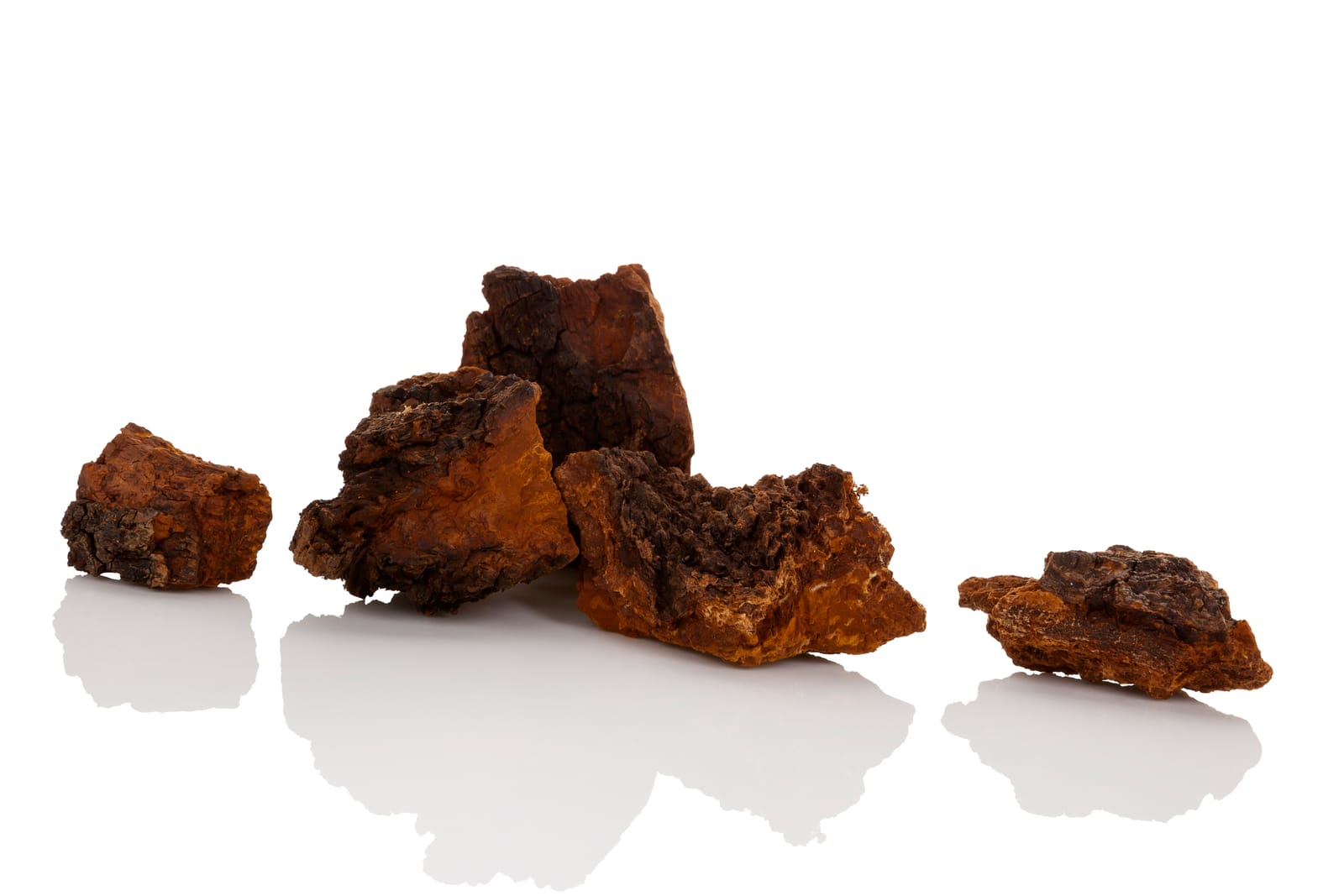
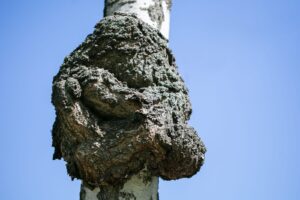
The part you harvest, called the conk (or sclerotium), looks like a cracked, charcoal-black mass protruding from the tree trunk. It can range from a few inches to over a foot in diameter. The interior, however, reveals a striking golden-brown, cork-like flesh that’s unmistakable once you’ve seen it.
Where to Look for Chaga Mushrooms
Focus your search on mature birch stands in undisturbed forests. Chaga favors paper birch and yellow birch most commonly. Consequently, areas with high birch density — like regenerating clearcuts or mixed hardwood forests — are prime hunting grounds.
Furthermore, chaga tends to grow on the north-facing side of trees in many regions, where moisture levels remain consistently higher. Bring binoculars; some of the best specimens grow 10–15 feet up the trunk.
Identifying the Conk Correctly
Misidentification is the biggest risk for beginners. True chaga has a deeply cracked, almost lava-like black exterior that feels rough and crumbly. When you break it open, the inside should be a warm, amber-to-brown color with a corky texture.
However, avoid anything growing on dead or fallen birch logs. Once the host tree dies, the chaga stops producing the beneficial compounds that make it valuable. Additionally, steer clear of birch burls or tree wounds that only look superficially similar — they lack the distinctive interior coloration.
The Right Way to Harvest Chaga
Harvesting chaga is straightforward, but doing it sustainably ensures the conk regenerates and you can return to the same tree year after year. This is a long-term relationship, not a one-time grab.
Tools You’ll Need
You don’t need a massive toolkit, but having the right gear makes the job cleaner and safer:
- Hand hatchet or small machete — for prying the conk away from the trunk
- Heavy-duty gloves — chaga’s exterior is rough and can splinter
- Collection bag or bucket — something breathable like a canvas sack
- Sturdy footwear — you’re in the woods, after all
Sustainable Harvesting Practices
Here’s the golden rule: never take the entire conk. Leave at least a quarter of the growth attached to the tree. This allows the fungus to regenerate, and many foragers report the same tree producing new conks within 3–5 years.
Consequently, you’re building a sustainable harvest cycle rather than depleting a finite resource. Moreover, avoid harvesting from trees that already show significant decay or multiple large wounds — those trees need all the resilience they can get.
Use your hatchet to carefully chip away at the base of the conk, working it loose from the bark. It usually comes off in large chunks with some force. Don’t worry about damaging the tree’s cambium layer too much; birch trees are surprisingly resilient, and the chaga itself creates the wound, not your harvest.
Processing and Storing Your Chaga
Fresh chaga is dense, moist, and prone to mold if you don’t process it quickly. Therefore, the moment you get home, it’s time to break it down and start the drying process.
Cleaning and Breaking Down the Conk
First, knock off any loose bark, dirt, or insect debris with a stiff brush. Then, using a hammer or large knife, break the conk into chunks roughly the size of golf balls or smaller. This increases surface area dramatically, which speeds up drying and makes brewing more efficient later.
Check carefully for any boreholes from insects or areas of white mold. Trim those sections away — they’re harmless to remove but will affect flavor and shelf life if left in.
Proper Drying Methods
You have several options for drying chaga, and the best method depends on your climate and timeline:
- Air drying: Spread chunks in a single layer in a warm, dry, well-ventilated space. This takes 2–4 weeks depending on humidity.
- Dehydrator: Set to 110–115°F and dry for 12–24 hours. This is the most reliable method.
- Oven drying: Place chunks on a baking sheet at the lowest setting (ideally under 150°F) with the door cracked open.
Properly dried chaga will feel light, hard, and brittle. It should snap cleanly when bent. If there’s any flexibility or moisture inside, keep drying — trapped moisture leads to mold during storage.
Long-Term Storage Solutions
Once fully dried, store your chaga chunks in an airtight glass jar or a vacuum-sealed bag in a cool, dark pantry. When kept dry and away from direct sunlight, chaga maintains its potency for years — even decades.
Some foragers also grind a portion into powder immediately for convenience. A high-powered blender or dedicated grain mill works well for this. Powder stores just as well but should be kept in an airtight container with a desiccant packet to prevent clumping.

Brewing the Perfect Cup of Chaga Tea
Now for the rewarding part. Brewing chaga tea is a slow, meditative process — and the resulting brew is unlike anything else in the tea world. It’s smooth, slightly sweet, with a natural vanilla-like undertone and zero bitterness.
Preparing Chaga Chunks for Brewing
You can use chunks or powder, but chunks are generally preferred for flavor control. Add roughly 1–2 tablespoons of dried chunks per 4 cups of water to a stainless steel or ceramic pot. Avoid aluminum, as the long brew time can react with the metal.
Furthermore, some foragers lightly toast the chunks in a dry pan before simmering to deepen the flavor profile. This is entirely optional but adds a subtle smoky complexity.
The Slow Simmer Method
Fill your pot with filtered water and bring it to a gentle simmer — not a rolling boil. High heat can degrade some of the heat-sensitive compounds. Maintain a low, steady simmer for a minimum of 2–4 hours. Many traditional preparations simmer overnight (8–12 hours) for maximum extraction.
The water will gradually darken to a deep amber, eventually turning nearly black. The longer you brew, the richer and more potent the tea becomes. Consequently, an overnight slow cooker setting on low is an incredibly convenient method.
Once brewed, strain the tea through a fine mesh sieve or cheesecloth. The spent chunks aren’t done yet — you can reuse them for a second, lighter brew by adding fresh water and simmering again.
Flavor Variations and Additions
Plain chaga tea is delicious on its own, but it also plays beautifully with other flavors:
- Cinnamon and raw honey — adds warmth and natural sweetness
- Cinnamon sticks on their own are my current favorite. I put a liter in the refrigerator with a few sticks for 1-2 days and it tasted amazing!
- Vanilla bean — amplifies the inherent vanilla notes
- Ginger slices — brings a spicy kick and digestive support
- Mixed with coffee — chaga coffee is a popular morning ritual that smooths out coffee’s acidity
Additionally, brewed chaga tea refrigerates well for up to 5 days. Many people brew a large batch at the beginning of the week and reheat portions as needed. It’s also excellent served cold over ice during warmer months.
No Birch Trees or Chaga Conks near your? No Problem
Here’s a product that I’ve tried and enjoyed: Premium Authentic Wild Harvested Canadian Chaga Mushroom Chunks.
If trying the powdered form or chaga ready in a tea bag, you can give these options a try: Micro Ingredients Organic Chaga Mushroom and/or Chaga Tea Bags by My Berry 100% Canadian Wild-Harvested.
Health Benefits and Traditional Uses
Chaga has been used for centuries in Siberian, Korean, and Northern European folk medicine. Modern research is beginning to validate what traditional healers have long known.
The mushroom is packed with beta-glucans, triterpenoids, and one of the highest ORAC (antioxidant) values of any food. Consequently, it’s prized for immune support, inflammation reduction, and overall vitality.
However, chaga is a supplement, not a medicine. It works best as part of a consistent daily routine rather than a quick fix. Furthermore, anyone on blood-thinning medications or with kidney issues should consult a healthcare provider before regular consumption, as chaga is high in oxalates.
Frequently Asked Questions
Can you eat chaga directly, or does it have to be brewed?
You technically can eat small amounts of powdered chaga, but brewing is far more effective. The tough, chitinous cell walls of the mushroom require prolonged heat to break down and release the beneficial compounds. Consequently, drinking it as a tea or decoction allows your body to absorb the nutrients much more efficiently than eating it raw.
How do I know if my stored chaga has gone bad?
Properly dried and stored chaga essentially lasts indefinitely. However, if you notice any white or green fuzzy mold on the surface, a musty smell, or if the chunks feel damp and spongy, it’s time to discard them. This usually means moisture got into the storage container. To prevent this, always ensure chunks are bone-dry before storing and use airtight containers with desiccant packs.
Is it legal to harvest chaga in national forests and public lands?
In most cases, yes — but regulations vary by region. Many national forests in the US allow personal-use foraging of mushrooms and fungi without a permit, typically limited to a specific amount per day (often 1–2 gallons). However, national parks generally prohibit any plant or fungus removal. Therefore, always check with your local forest service office before heading out.
How often should I drink chaga tea?
Most herbalists recommend 1–3 cups per day for general wellness. Chaga is gentle enough for daily consumption, but it’s wise to take occasional breaks — such as one week off per month — to prevent your body from building tolerance. Additionally, cycle it seasonally; many foragers use chaga heavily during fall and winter and switch to lighter herbs in spring and summer.
Can I harvest chaga year-round?
Technically yes, but late fall through early spring is the optimal window. During these colder months, the birch trees are dormant, and the chaga concentrates its beneficial compounds. Conversely, harvesting in summer is more difficult because the trees are actively growing, the sap is flowing, and the forest is thick with foliage, making spotting conks significantly harder.
Final Thoughts
There’s something deeply satisfying about the entire chaga process — from spotting that first blackened conk on a winter hike to pouring yourself a steaming mug of dark, earthy tea months later. It connects you to centuries of foraging tradition in a way few other wild foods can.
Start with a single tree, harvest responsibly, and take your time learning the craft. Consequently, you’ll develop a relationship with the forest that rewards you season after season. Happy foraging.