
Table of Contents
- Identifying True Dandelions in the Wild
- The Telltale Features of a True Dandelion
- Dangerous Lookalikes to Avoid
- When and Where to Harvest Dandelions
- The Best Season for Each Part
- Choosing a Safe Foraging Location
- Harvesting Techniques for Maximum Yield
- Preparing and Eating Every Part of the Dandelion
- Cooking with Dandelion Greens
- Making the Most of Dandelion Flowers
- Roasting Dandelion Roots
- Frequently Asked Questions
- Are all dandelions edible?
- How do you remove the bitterness from dandelion greens?
- Is it safe to eat dandelions from my yard?
- What’s the best way to store freshly harvested dandelions?
- Can dandelions be eaten raw?
That “weed” your neighbor spends all weekend fighting? It’s actually a free superfood growing right under your nose. Dandelions have been foraged for centuries across Europe, Asia, and North America, yet most people still reach for the herbicide instead of a harvesting basket. Whether you’re a complete beginner or a seasoned forager looking to refine your technique, this guide walks you through everything you need to know about finding, picking, and cooking with one of nature’s most abundant wild edibles.
Key Takeaways:
- True dandelions (Taraxacum officinale) have hollow stems, deeply toothed leaves, and grow in a basal rosette — learn these traits to avoid toxic lookalikes.
- Harvest young leaves in early spring for the best flavor; collect flowers on dry, sunny mornings when fully open.
- Every part of the plant is edible: leaves for salads and sautés, flowers for fritters and wine, roots for coffee substitute.
- Always forage from areas free of pesticides, dog traffic, and roadside pollution — your backyard is often the safest bet.
- Dandelions pack more vitamin A than carrots, more iron than spinach, and support liver and digestive health.
Identifying True Dandelions in the Wild
Before you start plucking anything green, you need to be 100% certain you’ve got a real dandelion. Fortunately, Taraxacum officinale has several unmistakable characteristics that make identification relatively straightforward once you know what to look for.
The Telltale Features of a True Dandelion
Start with the leaves. Dandelion leaves grow in a tight basal rosette close to the ground, meaning they radiate outward from a central point rather than growing up a stem. The leaf edges are deeply jagged and irregular — the name actually comes from the French dent de lion, meaning “tooth of the lion.” Run your finger along a leaf, and you’ll feel those sharp, backward-pointing lobes.
Next, check the stem. Break one open. Dandelion flower stalks are hollow and leafless, and they exude a milky white latex when snapped. This sap is a dead giveaway. Furthermore, each stem produces only a single flower head — if you see multiple blooms branching off one stem, you’re looking at something else entirely.
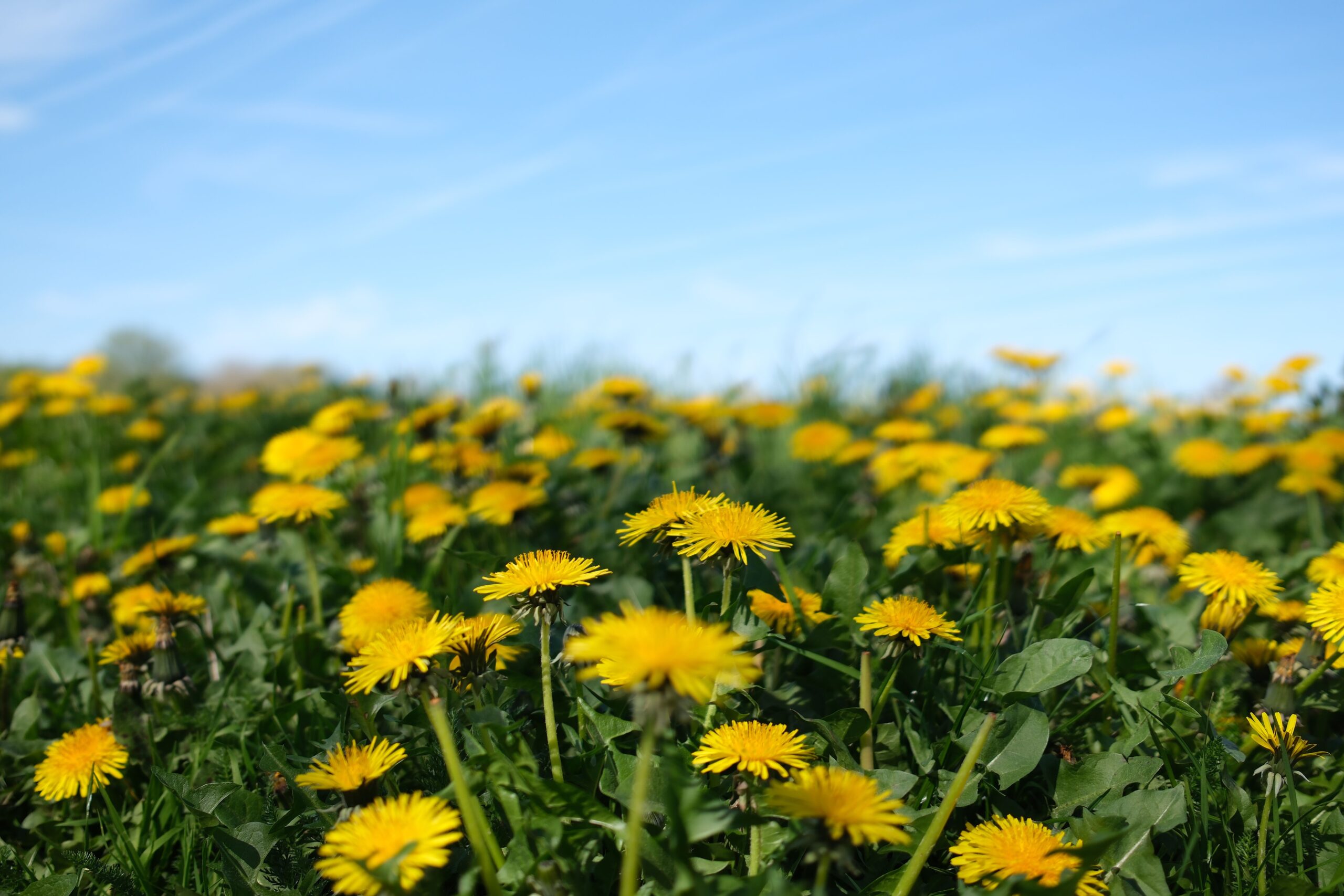
The flowers themselves are composite heads made up entirely of tiny ray florets, creating that familiar golden-yellow disk. They close up at night and on overcast days, opening wide in direct sunlight. Eventually, they transform into the iconic spherical seed head — the “clock” every child has blown into the wind.
Dangerous Lookalikes to Avoid
While dandelions are one of the safest plants for beginners to forage, a few lookalikes warrant caution. Cat’s ear (Hypochaeris radicata) is the most common imposter. It has similar yellow flowers, but its stems are solid and branched, and its leaves are hairy rather than smooth. Additionally, cat’s ear leaves tend to be more lobed and less deeply toothed.
Coltsfoot (Tussilago farfara) can also confuse beginners, as it produces yellow flowers before its leaves appear. However, coltsfoot flowers sit on scaly, non-hollow stems, and the leaves are distinctly heart-shaped rather than jagged. Another plant to watch for is hawkweed, which grows multiple flower heads on branched stems — a key difference from dandelion’s single-flower-per-stem rule.
When in doubt, remember the three-step test: hollow stem, single flower, smooth jagged leaves in a rosette. If any of these don’t match, don’t eat it.

When and Where to Harvest Dandelions
Timing makes all the difference between a bitter, unpleasant mouthful and a genuinely delicious wild green. Consequently, knowing when to pick is just as important as knowing what to pick.
The Best Season for Each Part
Leaves: Harvest in early spring before the plant flowers. Once the yellow bloom appears, the leaves develop a pronounced bitterness that many people find unpalatable. However, if you do miss the spring window, a light frost in fall actually sweetens the leaves considerably — many experienced foragers actually prefer late-season harvests for this reason.
Flowers: Pick on a dry, sunny morning after the dew has evaporated but before the afternoon heat wilts them. Fully open, vibrant yellow heads are ideal. Avoid flowers that are already turning to seed or showing signs of wilting.
Roots: Dig roots in late fall or early spring when the plant’s energy is concentrated underground. Fall-dug roots are particularly rich in inulin, a prebiotic fiber, making them excellent for roasting and grinding into a coffee alternative.
Choosing a Safe Foraging Location
Your harvesting spot matters enormously. Dandelions are bioaccumulators, meaning they absorb whatever is in the soil — including heavy metals and chemical residues. Therefore, never forage from roadsides, conventional lawns, golf courses, or industrial areas. Even if a lawn looks pristine, there’s no telling what herbicides or synthetic fertilizers were applied there.
Instead, opt for your own organic yard, trusted friends’ chemical-free properties, organic farms that welcome foragers, or undisturbed meadows far from traffic. If you’re foraging on public land, check local regulations first — many parks prohibit plant removal.
Harvesting Techniques for Maximum Yield
Once you’ve identified a clean patch, the actual harvesting is straightforward but benefits from a few pro tips. For leaves, grasp the entire rosette near the base and cut or twist the leaves away from the crown. A sharp foraging knife makes this job cleaner and faster, especially when working through a large patch.
For flowers, simply pinch or snip the head off at the top of the stem. Bring a shallow basket or mesh bag — this allows spores and small insects to fall through rather than trapping heat and moisture against your harvest. Furthermore, spreading your harvest across multiple plants rather than stripping one area bare helps ensure the patch regenerates.
Digging roots requires a bit more effort. Use a garden fork or digging stick to loosen the soil around the plant, then pull steadily to extract the entire taproot. Shake off excess soil in the field, and save the thorough washing for home.
Preparing and Eating Every Part of the Dandelion
Here’s where the real fun begins. Dandelions are remarkably versatile in the kitchen, and each part of the plant offers a distinct flavor profile and culinary application.
Cooking with Dandelion Greens
Young leaves make a fantastic salad green with a pleasantly bitter, slightly peppery bite — think of them as a wild arugula. Toss them with a warm bacon vinaigrette to balance the bitterness, or pair them with sweet ingredients like dried cranberries and goat cheese. For a simple sauté, blanch the leaves in boiling water for 30 seconds, then toss them in olive oil with garlic and lemon juice. This quick blanch removes the harshest bitterness while preserving the nutrients.
Dried dandelion leaves also make a wonderful herbal tea. Spread harvested leaves on a dehydrator tray at low temperature, or hang them in bundles in a warm, dry space. Once crisp, crumble them into an airtight jar and steep them in boiling water for 5–8 minutes.
Making the Most of Dandelion Flowers
The flowers are arguably the most fun part to cook with. Dandelion fritters are a classic forager recipe: dip whole flower heads in a simple batter of flour, egg, and milk, then pan-fry in oil until golden. The result is a crispy, slightly sweet bite that tastes like a cross between a hush puppy and a flower petal.
You can also make dandelion jelly — often called “dandelion honey” — by steeping the petals in hot water, straining, and combining the infused liquid with sugar and pectin. The final product is a sunshine-colored spread with a delicate floral flavor that rivals expensive artisan honeys. For something more ambitious, dandelion wine is a time-honored tradition that produces a light, slightly sweet table wine.
One important note: remove the green calyx (the base) from the flowers before eating, as it’s intensely bitter. Pinch the yellow petals away from the green base, and use only the yellow portion in your recipes.
Roasting Dandelion Roots
Dandelion root coffee is a revelation for anyone looking to reduce caffeine intake without sacrificing a rich, roasted flavor. After scrubbing the roots clean, chop them into small pieces and spread them on a baking sheet. Roast at 350°F for 20–30 minutes, stirring occasionally, until they turn dark brown and smell toasty. Grind the roasted chunks in a coffee grinder and brew just like regular coffee — or mix half-and-half with your usual grounds for a gentler transition.
Beyond the coffee substitute, dandelion root can be sliced and added to soups and stews, where it contributes an earthy, parsnip-like flavor. It’s also a staple in traditional herbal medicine, often used to support liver function and digestion.
Frequently Asked Questions
Are all dandelions edible?
Yes, all true dandelions (Taraxacum species) are edible in their entirety — roots, leaves, and flowers. However, proper identification is critical. Several lookalike plants exist, and while most are harmless, some (like certain Senecio species) contain toxic alkaloids. Always confirm the three key identifiers: hollow stems, a single flower per stem, and smooth, jagged leaves growing in a basal rosette before consuming any wild plant.
How do you remove the bitterness from dandelion greens?
The most effective method is a quick blanch: submerge the leaves in boiling water for 30–60 seconds, then immediately transfer them to an ice bath. This preserves the vibrant green color while leaching out much of the bitter compounds. After blanching, sauté with olive oil, garlic, and a squeeze of lemon. Alternatively, pairing raw young leaves with acidic dressings, sweet fruits, or rich fats like bacon effectively balances the bitterness on the palate.
Is it safe to eat dandelions from my yard?
Only if you’re certain no pesticides, herbicides, synthetic fertilizers, or other chemicals have been applied to your lawn within the past year — and ideally longer. Dandelions have deep taproots that can pull contaminants from the soil, so even “organic” lawns near busy roads may accumulate heavy metals. If you treat your own yard with organic practices and it’s set back from traffic, it’s one of the safest foraging spots available.
What’s the best way to store freshly harvested dandelions?
For leaves, wrap them loosely in a damp paper towel and store in a breathable bag in the refrigerator’s crisper drawer — they’ll stay fresh for 3–5 days. Flowers are best used the same day but can be kept in a single layer in a cool spot for a few hours. Roots should be washed, dried thoroughly, and stored in a paper bag in the fridge for up to a week, or dried completely for long-term storage in an airtight container.
Can dandelions be eaten raw?
Absolutely. Young spring leaves are excellent raw in salads, and the yellow petals can be sprinkled over dishes as a colorful, edible garnish. However, mature leaves and flower bases (the green calyx) are too bitter for most people to enjoy raw. Cooking, blanching, or pairing with strong flavors transforms these tougher parts into genuinely delicious ingredients.