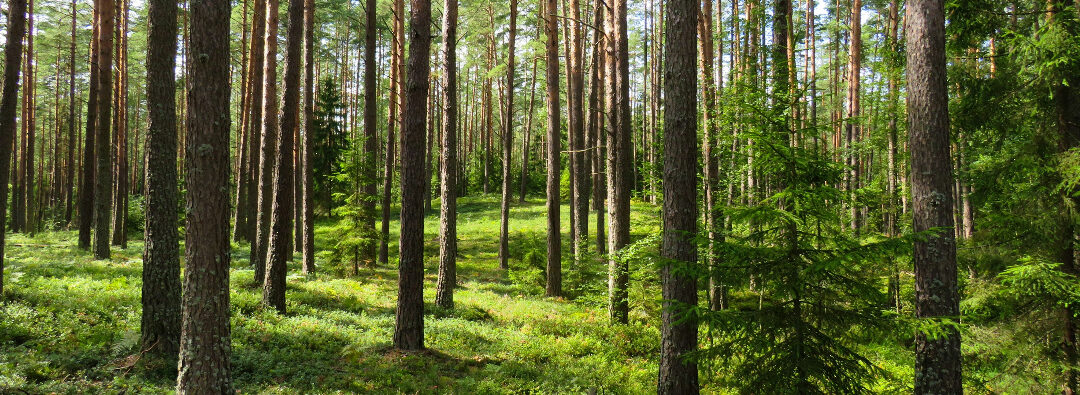
Stepping onto a trail offers more than just a cardio workout; it opens a door to nature’s ever-changing pantry. Knowing exactly what’s in season and what to look for while hiking or camping transforms a simple walk into a rewarding foraging expedition. Furthermore, recognizing seasonal flora and fauna deepens your connection to the wilderness. Consequently, whether you are a novice hiker or a seasoned camper, understanding the rhythm of the wild ensures a safer, more enriching outdoor experience.
Key Takeaways
- Seasonal foraging requires precise identification to avoid toxic look-alikes.
- Spring offers tender greens and morels, while autumn provides hearty nuts and mushrooms.
- Winter hiking demands knowledge of animal tracks and evergreen resources.
- Always carry a reliable field guide to verify your trailside finds.
Spring Awakening: Early Trailside Treasures
As the snow melts, the forest floor erupts with life. Consequently, spring is the prime time for tender edible greens. However, you must exercise caution, as this season also brings poisonous look-alikes. When you understand what’s in season and what to look for while hiking or camping, the forest transforms from a simple backdrop into a dynamic, living marketplace.
Identifying Morel Mushrooms and Ramps
Morel mushrooms are the crown jewels of spring foraging. They feature a distinct honeycomb pattern and are hollow inside. Furthermore, ramps (wild leeks) thrive in moist, shady forest floors. Therefore, look for their broad, smooth leaves and strong onion scent. A reliable resource like the National Audubon Society Field Guide to North American Mushrooms is indispensable for verifying these finds.
Edible Greens and Flowers
Dandelions, chickweed, and violets emerge early in the season. In addition to being edible, they are packed with vitamins. Conversely, avoid picking greens near polluted water sources or busy roadsides. Always wash your foraged goods thoroughly before consumption.
Summer Abundance: Berries and Beyond
Summer transforms the trail into a buffet of colorful fruits. Nevertheless, the heat also brings out insects and wildlife, requiring extra vigilance. Focusing on what’s in season and what to look for while hiking or camping ensures you never miss nature’s subtle cues.
Wild Berries to Spot
Blackberries, raspberries, and blueberries ripen in the summer sun. Moreover, their distinct shapes make them relatively easy to identify. However, steer clear of white and yellow berries, as the majority of them are toxic. If you cannot positively identify a berry, do not eat it.
Insect Activity and Safety
Warm weather means ticks and mosquitoes are rampant. Consequently, wearing permethrin-treated clothing is highly recommended. A handy tool like the TickTwister Pro Tick Remover should always be in your first-aid kit. Furthermore, always perform a thorough tick check after leaving the trail.
Autumn Harvest: Nuts and Late-Season Flora
Fall is the season of abundance for foragers. As a result, the forest provides calorie-dense foods perfect for long hikes. The cooler temperatures also make hiking more comfortable, allowing for longer excursions into the wilderness.
Foraging Acorns and Hickory Nuts
Acorns are plentiful but require leaching to remove bitter tannins. In contrast, hickory nuts are sweet and ready to eat right out of the shell. Furthermore, both provide excellent sustenance on the trail. Look for these nuts scattered on the forest floor beneath towering hardwood trees.
Identifying Autumn Mushrooms
Chicken of the woods and hen of the woods appear during the cooler autumn months. They grow on tree trunks and offer a meaty texture. Therefore, always cross-reference your finds with a guidebook before consumption. Never eat a mushroom unless you are absolutely certain of its species.
Winter Survival: Tracking and Evergreen Resources
Winter strips the forest bare, making identification easier but resources scarcer. Therefore, your focus shifts from foraging to tracking and utilizing evergreens. The quiet, snowy landscape offers a unique perspective on the natural world.
Reading Animal Tracks in the Snow
Snow provides a blank canvas for animal tracks. Consequently, you can easily spot the bounding pattern of weasels or the trotting prints of deer. A compact guide like Mammal Tracks and Sign helps you decipher these stories. Tracking adds a thrilling dimension to any winter hike.
Pine Needle Tea and Winter Plants
Evergreen needles are rich in vitamin C. Simply steep pine, spruce, or fir needles in hot water for a warming, nutritious tea. However, avoid yew trees, as they are highly poisonous. Look for the distinctive red berries of yew trees to steer clear of them.
What’s in Season and What to Look for While Hiking or Camping
To master the art of trailside foraging, you must align your observations with the current season. In addition to identifying edibles, you should look for animal sign, water sources, and safe campsites. Furthermore, always practice the “rule of thirds”: take only a third of what you find, leave a third for wildlife, and leave a third to regenerate. Ultimately, knowing what’s in season and what to look for while hiking or camping enriches every trip into the wild.
Essential Gear for Seasonal Trail Observations
Equipping yourself with the right tools ensures safe and successful foraging. A durable mesh bag allows spores to disperse while you hike. Additionally, a high-quality magnifying lens helps identify tiny plant features. Finally, a comprehensive regional field guide is non-negotiable for safe identification. Investing in quality gear prevents dangerous mistakes and enhances your overall outdoor experience.
Is it safe to eat wild berries while hiking?
Generally, only eat berries you can positively identify. Blueberries, raspberries, and blackberries are safe, but avoid white and yellow berries, which are often toxic. When in doubt, do not consume them.
What is the best season for foraging while camping?
Autumn is widely considered the best season for foraging because of the abundance of nuts, roots, and late-season mushrooms that provide high energy for cold nights. Spring is a close second for greens and morels.
How can I identify animal tracks in the snow?
Look for the shape, size, and gait pattern. Deer leave heart-shaped prints, while weasels leave paired dots from their bounding movement. A field guide is highly recommended for accurate identification.
What should I avoid touching on the trail?
Never touch plants with three-leaf clusters, like poison ivy, or umbrella-shaped flower clusters, like poison hemlock. Additionally, avoid brightly colored frogs or insects, as their pigmentation often signals toxicity.