
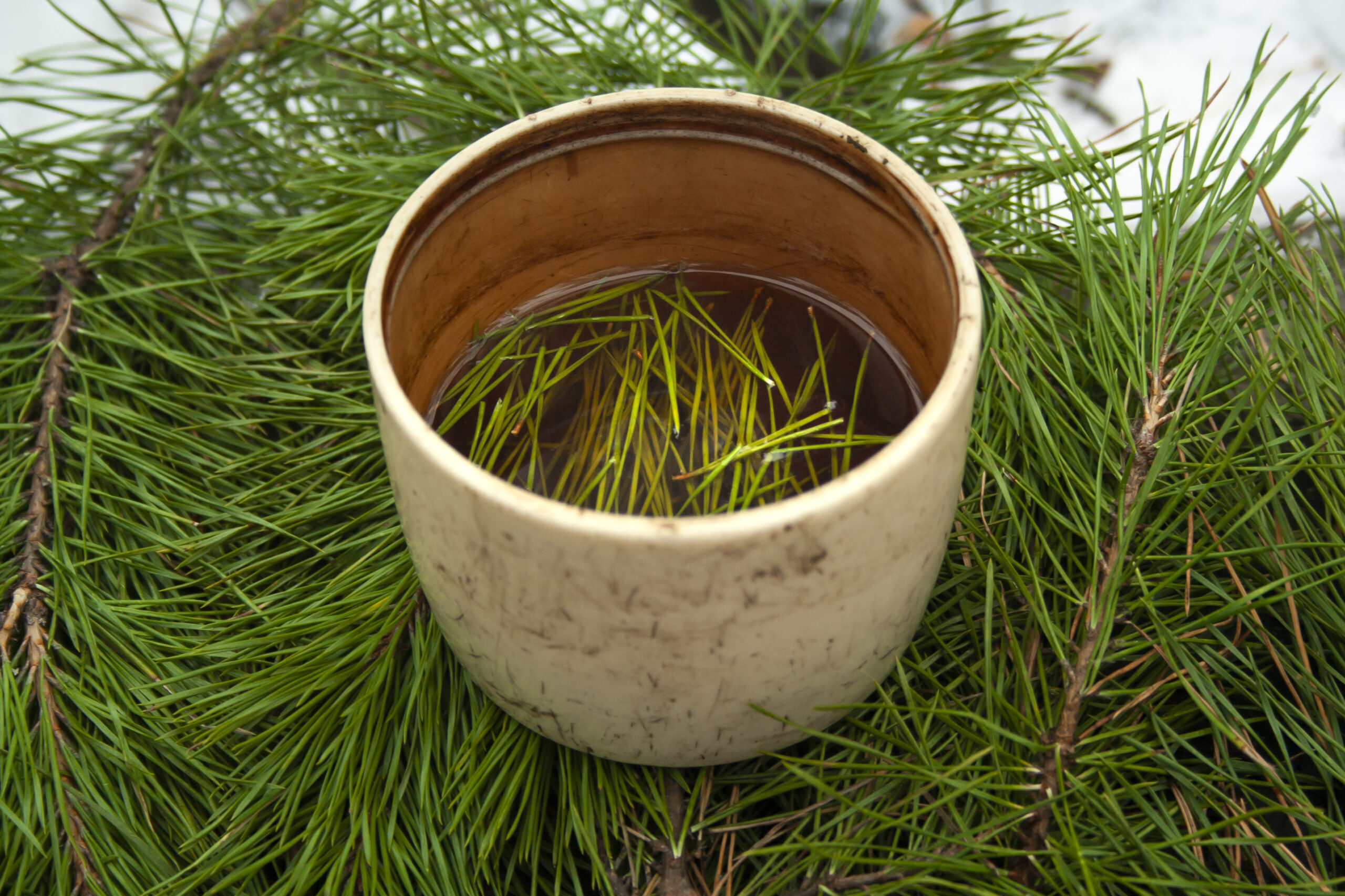

Ever stared out at a snow-covered landscape and craved something fresh and green? While most foragers pack away their baskets in winter, the pine tree is just getting started. If you’re looking into Harvesting, Storing Pine Needle, Recipes and Its Nutritional Benefits, you’ve stumbled upon one of nature’s most resilient superfoods. Pine needles aren’t just surviving the cold; they’re packed with more vitamin C than most citrus fruits. Let’s dive into how to safely gather, preserve, and brew this wild wonder.
Key Takeaways
- Safety First: Always identify true pines (Pinus genus) and avoid toxic lookalikes like Yew or Norfolk Island Pine.
- Sustainable Harvesting: Take only a few needles from multiple branches to keep the tree healthy.
- Proper Storage: Dry or freeze your needles to preserve their potent essential oils and vitamin C.
- Health Boost: Pine needles offer massive antioxidant and respiratory support, especially in winter.
- Culinary Uses: Brew tea, make syrup, or infuse vinegar with their bright, citrusy flavor.
Identifying the Right Trees (Safety First!)
Before you grab a handful, you must know your trees. True pines (Pinus genus) are entirely safe for consumption. However, yew trees (Taxus) are highly toxic and often grow near pines. Furthermore, Norfolk Island pine and ponderosa pine can cause issues for pregnant women or livestock. Therefore, always look for the “sheath” at the base of the needle bundle. True pines have needles in clusters of 2, 3, or 5.
Avoid the Toxic Lookalikes
Yews have flat, single needles and red berries. Consequently, if a needle lacks a sheath or grows singly, leave it alone. Additionally, avoid trees near busy roads or sprayed with pesticides. When exploring the full scope of Harvesting, Storing Pine Needle, Recipes and Its Nutritional Benefits, proper identification is the most critical step.
How to Harvest Pine Needles Sustainably
When gathering, never strip a single branch bare. Instead, take a few needles from various branches across the tree. This ensures the tree remains healthy and continues to thrive. Moreover, foraging from the inner branches allows sunlight to reach the outer limbs. I always carry a small pair of foraging shears to make clean cuts without damaging the branch.
Best Time to Gather
Winter is actually the best time! The sap is down, meaning the flavor is less bitter and more concentrated. As a result, you get a sweeter, more aromatic brew. Consequently, winter foraging provides the highest quality needles for your pantry.
Storing Pine Needles for Year-Round Use
Once you’ve gathered your bounty, proper storage is key. You can dry them or freeze them. Furthermore, keeping them away from direct sunlight preserves their volatile oils. Mastering the art of Harvesting, Storing Pine Needle, Recipes and Its Nutritional Benefits means you’ll have wild flavor all year long.
Drying vs. Freezing
To dry, spread them out in a cool, dark place for a few weeks. Consequently, they’ll keep for up to a year in an airtight jar. Alternatively, you can freeze fresh needles in a single layer on a baking sheet before transferring them to a freezer bag. This locks in that fresh, bright flavor perfectly.
Here’s some glass mason jars for airtight storage.
Delicious Pine Needle Recipes
Now for the fun part—eating! The flavor is surprisingly citrusy and resinous. In addition to tea, you can make syrups and infused vinegars. When considering Harvesting, Storing Pine Needle, Recipes and Its Nutritional Benefits, the kitchen is where this wild food truly shines.
Classic Pine Needle Tea
Chop the needles finely to release the oils. Then, steep a tablespoon in just-boiled water for 5-7 minutes. However, don’t boil the water directly on the needles, as it destroys the delicate vitamin C. Strain and enjoy a warm, immune-boosting cup.
You can buy a bag of loose pine needle tea online if you’re not able to get to a pine tree.
Pine Needle Syrup
Make a strong tea, strain it, and mix it with raw honey or sugar. This creates a fantastic cough syrup or cocktail mixer. Furthermore, it drizzles beautifully over pancakes or yogurt.
The Nutritional Benefits of Pine Needles
Why bother with all this? Because the health perks are massive. Historically, indigenous peoples and early settlers used pine needles to prevent scurvy. Therefore, this wild food is a historical lifesaver.
Vitamin C and Antioxidants
Pine needles contain significantly more vitamin C than lemons. Additionally, they are loaded with shikimic acid, which supports respiratory health. As a result, drinking this tea during cold season is a brilliant natural remedy. Moreover, the antioxidants help fight free radicals and reduce inflammation.
Harvesting, Storing Pine Needle, Recipes and Its Nutritional Benefits
When you look at the full picture of Harvesting, Storing Pine Needle, Recipes and Its Nutritional Benefits, it’s clear this is a must-have wild food. It connects you to ancient traditions while boosting your modern diet. So, grab your basket, head to the woods, and let the pine trees be your winter apothecary.
Frequently Asked Questions
Can you eat pine needles raw?
Yes, you can eat them raw, but they are incredibly tough and resinous. Consequently, most people prefer to chop them finely and steep them in hot water to make tea. Eating them raw can be hard on your digestive system.
Which pine needles are not safe to eat?
You must avoid Yew (Taxus), Norfolk Island Pine, and Ponderosa Pine. Furthermore, avoid any tree that cannot be 100% positively identified as a true pine (Pinus genus). Always look for the sheath at the base of the needle bundle.
How long do dried pine needles last?
When stored in an airtight container away from direct sunlight, dried pine needles will retain their flavor and nutritional value for up to one year. However, for the best taste, try to use them within six months.
Does pine needle tea have caffeine?
No, pine needle tea is entirely caffeine-free. Therefore, it makes an excellent evening drink if you want to wind down without the stimulating effects of traditional tea or coffee.
What does pine needle tea taste like?
It tastes surprisingly bright and citrusy, with a mild resinous undertone. Some varieties even have hints of mint or vanilla. As a result, it is a very pleasant and refreshing alternative to standard herbal teas.